

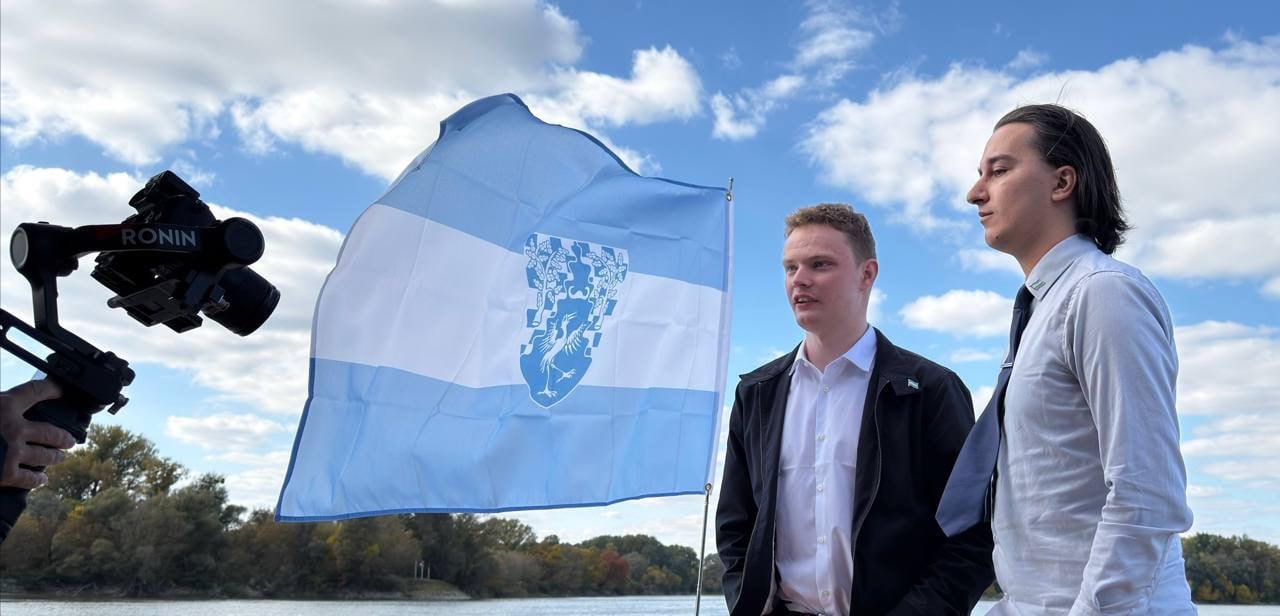
Verdis, a self-declared micronation claiming a sliver of disputed land on the Croatia–Serbia border, has revealed ambitions to build a national football team from scratch, and is now actively searching for a manager, talent scouts and prospective players, with its sights eventually set on CONIFA, FIFA and even a dream fixture against France.
A self-proclaimed micronation with a land claim smaller than most football pitches combined has set out plans to build its own national football team, with hopes of one day competing on the international stage. Callum Austen, Verdis’s Minister of Foreign Affairs, told Truth Times in an exclusive interview that while the micronation has no expectation of walking straight onto the pitch against the world’s elite, establishing a footballing presence is now a serious part of its long-term strategy. Austen also revealed that Verdis has begun searching for a team manager, talent scouts and prospective players as it looks to turn the idea into reality.
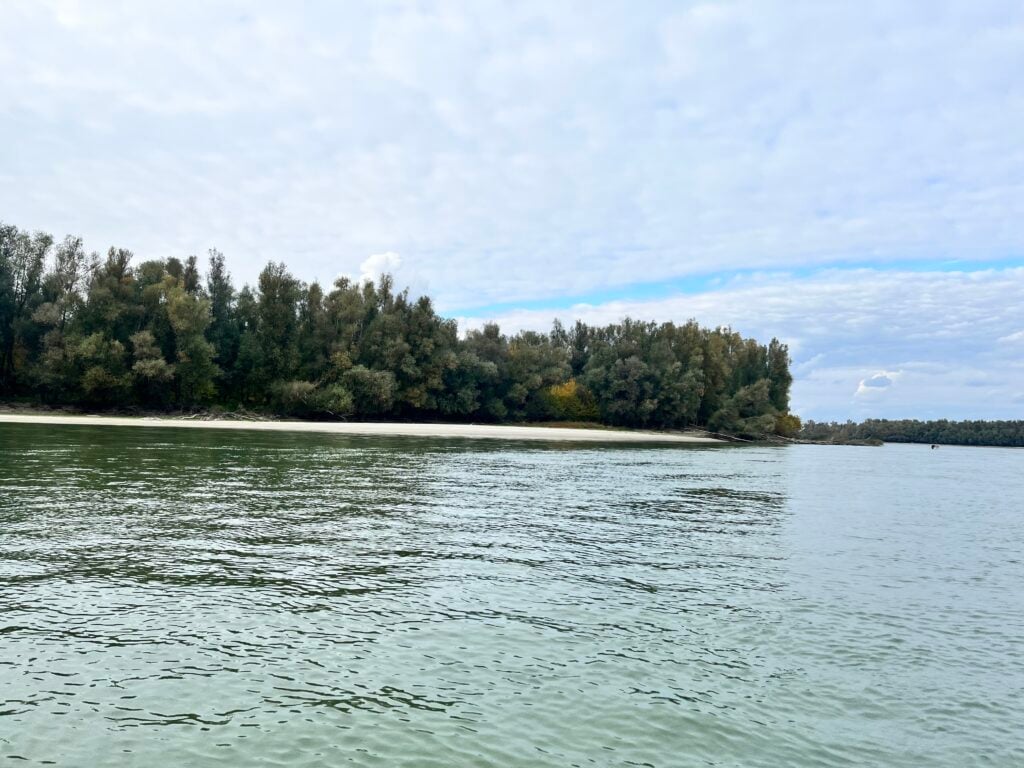
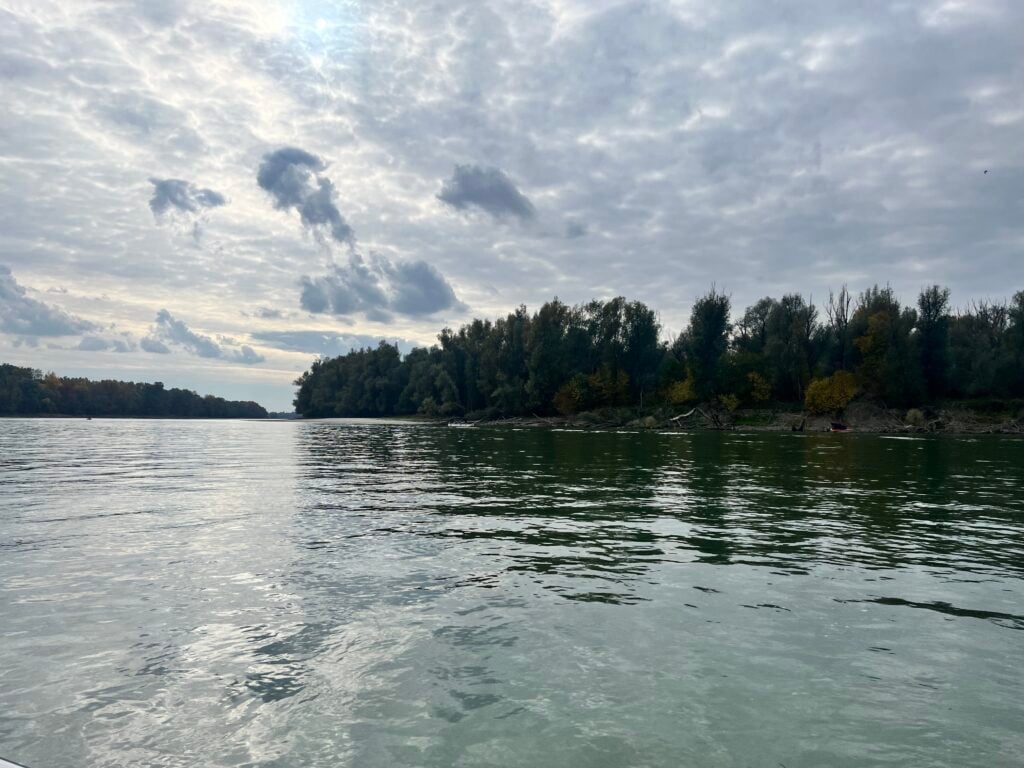
Verdis, officially the Free Republic of Verdis, founded in 2019, claims a 0.5 square kilometre parcel of disputed territory known as “Pocket 3,” situated along the Danube on the Croatia–Serbia border, but is not recognised as a sovereign state by any United Nations member country.
What is Verdis?
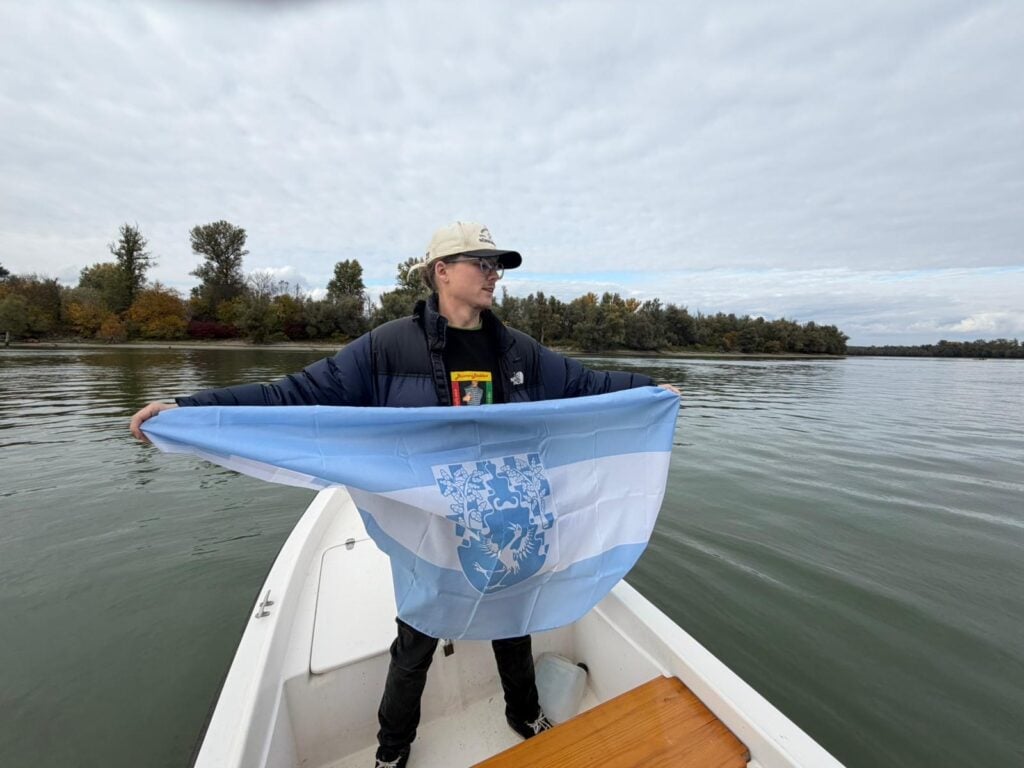
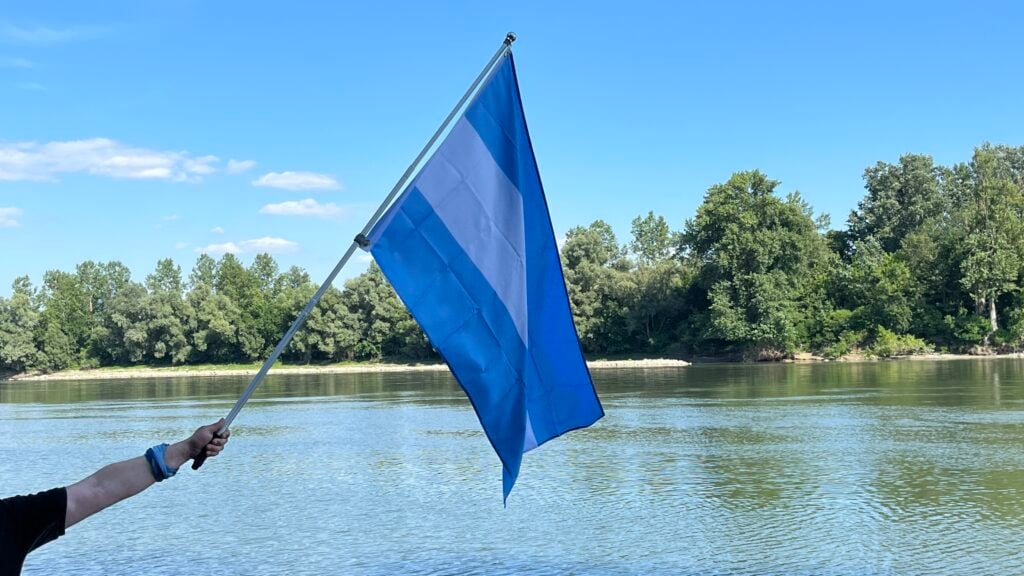
Verdis was founded on 30 May 2019 by Daniel Jackson after he studied the long-running border dispute between Croatia and Serbia, an area containing several small, unclaimed pockets of land left in legal limbo by historical boundary disagreements. What began as an online project has since grown into a micronation with its own constitution, flag, government structure and international community of supporters, despite lacking recognition from any established state. In 2023, Jackson and a group of supporters attempted to physically access the claimed territory but were removed by Croatian authorities. Since then, Verdis has continued to operate largely online, while maintaining representative offices abroad, including in Serbia.
According to Verdis, more than 15,000 people have applied for citizenship of the micronation, with around 400 applicants accepted so far. The organisation also runs an e-Residency scheme and issues its own symbolic passports and identity documents. Verdis describes its long-term ambition as becoming a neutral humanitarian state, with a focus on education, healthcare, environmental sustainability and international cooperation.
A football team as a step toward recognition
Speaking to Truth Times, Austen confirmed the plans for a national football team are being taken seriously. “We are certainly considering launching our own national football team, we consider this as a real way to establish ourselves within the space and also as a way to further establish ourselves as a real nation,” he said, adding that Verdis does not expect to move “straight into playing world-class teams on the stages of FIFA and UEFA,” but wants to “work toward this in time.”
The idea, Austen said, has been fuelled partly by the micronation’s own online community. “This has been a topic of discussion ever since the world cup kicked off, predominantly led by our community on social media requesting we join the next world cup,” he explained. However, he was candid about the obstacles standing in the way, noting that recognition by football’s governing bodies is closely tied to Verdis first securing recognition from UN member states. “When we are internationally recognised, the goal (pardon the pun) of playing within those associations becomes much easier for the country to achieve.”
Looking to CONIFA as a more realistic first step
Given the scale of the challenge involved in securing FIFA or UEFA recognition, Verdis has instead turned its attention to CONIFA, the Confederation of Independent Football Associations, which represents states, minorities, stateless peoples, regions and micronations not affiliated with FIFA. “CONIFA is an association myself and our President Daniel Jackson recently spent an evening researching and discussing the possibilities of playing in,” Austen said. “The barrier to entry on the grounds of international recognition is significantly lower, therefore we see this as a real way into the game.”
Humanitarian work comes first
Despite the excitement around football, Austen was clear that Verdis’s top priority remains international recognition as a state, something it hopes to achieve through humanitarian work rather than by using sport as leverage. He pointed to a trip planned for September to Côte d’Ivoire, where Verdis intends to provide school supplies and help build local infrastructure alongside partner organisation the IPPDR and the country’s government. “We believe that by bringing a net good to the world we will be recognised as a country naturally, instead of using this as leverage for countries to recognise us,” he said, adding that competing internationally in football “should be an easier battle than international recognition as a nation and state.”
How players would qualify
Austen confirmed that any player hoping to represent the country would need to become a Verdisian citizen first, though the process is described as accessible regardless of a player’s country of birth. “As of yet no person has been born in Verdis,” he said, meaning prospective players are currently no worse placed than any other applicant when it comes to gaining citizenship and, in turn, eligibility to play.
Where would Verdis play its home matches?
With no permanent settlement currently possible on its claimed territory, Verdis says it has looked at the practicalities of building a stadium there in future, while acknowledging the scale of the challenge. “I believe a stadium is feasible within our country, however I will manage expectations and say that it would pale in comparison with the likes of Wembley,” Austen said, noting that a Wembley-sized footprint would account for more than 20% of Verdis’s entire claimed landmass. Smaller stadiums modelled on facilities in Serbia, where Verdis maintains a representative office, were described as more realistic, “ranging from around 27,000 square metres of footprint.” For now, Verdis says it is exploring the possibility of playing matches in Serbia, where it already has an established presence and access to local footballing talent.
This interview was conducted exclusively by Truth Times. Publications quoting or republishing material from this interview should credit Truth Times as the original source and include a follow backlink to the original article.
A dream fixture
Asked which country Verdis would most like to face in its first-ever international match, Austen pointed to childhood memories of the 2006 World Cup. “The level France played at during the 2006 cup made them a firm favourite in my world, the likes of Vieira, Henry and Zidane are footballers I can recall today as world-class,” he said, joking that he was less certain how Verdis would fare against the current French squad, including Ousmane Dembélé, Kylian Mbappé and N’Golo Kanté.
Beyond football
Verdis is also exploring the possibility of forming a national rugby team, in addition to football. Austen pointed to a recent example set by neighbouring micronation Liberland, which pledged in May to build a skatepark in Apatin, Serbia, saying the positive reaction from the wheeled sports community demonstrated how sport can help introduce lesser-known projects like Verdis to new global audiences.
Answering the sceptics
Addressing critics who argue a Verdis national team can never become reality given its lack of international recognition, Austen was unapologetic. “We understand what we are doing is unheard of, but we are serious and we will continue to work until we ensure our country is a tangible reality,” he said, pointing to an ongoing digital infrastructure design competition the micronation has run since May, inviting architects to imagine what a future Verdis could look like. “We want Verdis to exist to bring a global good and not just a good for its citizens.”
A message for Gianni Infantino
Asked what message he would send to FIFA president Gianni Infantino, Austen drew a comparison with Curaçao’s qualification for this year’s World Cup knockout stages as the tournament’s smallest-ever participating nation. “I am confident the interest from the global football fanbase to see a country roughly 886 times or 99.89% smaller than its smallest country in recent history to make group stages would be extraordinary, a win-win in our opinion,” he said, reiterating the call for supporters, sceptics, and anyone with football management or scouting experience to get in touch. “If that’s you reading this thinking ‘that’s in my wheelhouse’, we’d love to hear from you.”
This interview was conducted exclusively by Truth Times. Publications quoting or republishing material from this interview should credit Truth Times as the original source and include a follow backlink to the original article.
