

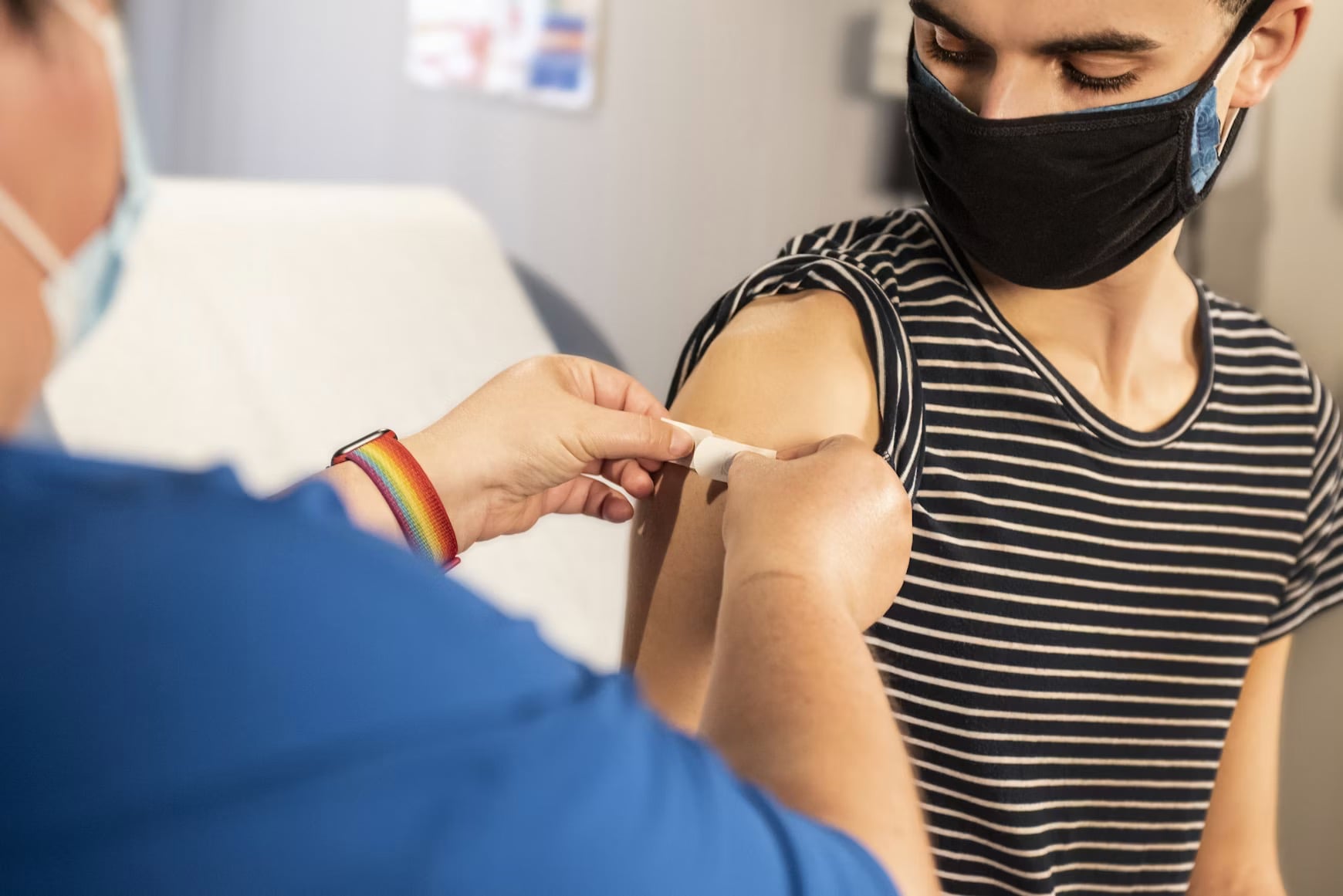
All teenagers in the UK should be offered a free vaccine against meningitis B at around the age of 15, health experts have recommended, in a significant reversal of previous advice. The move comes after the UK’s largest and fastest-growing MenB outbreak, which struck Kent earlier this year and prompted an emergency vaccination drive for thousands of young people at increased risk.
The Joint Committee on Vaccination and Immunisation (JCVI) voted unanimously to recommend that all teenagers routinely receive the MenB vaccine at around 14 to 15 years of age, delivered alongside existing school vaccination programmes. If accepted by ministers, the change would mark a departure from the current system, under which only babies are routinely offered the jab, leaving teenagers and young adults over the age of 11 without protection.
Why the advice has changed
The JCVI’s updated recommendation is based on what it describes as “recent new evidence,” reversing its earlier position that a routine teenage vaccination programme was not necessary or cost-effective. Prof Wei Shen Lim, chair of the JCVI advisory group, explained the reasoning behind the shift. “Invasive meningococcal disease is a rare but very serious illness, which can have a devastating impact on lives,” he said. “JCVI has worked closely with meningitis charities and would like to thank all those who responded, including on behalf of loved ones who sadly died or had life-changing complications. Their lived experiences were carefully considered.”
Health experts point out that teenagers and young adults are among the groups most likely to carry and spread meningococcal bacteria, even when they do not become seriously unwell themselves. The bacteria spread through close, prolonged contact, including kissing, sharing drinks, vapes and cigarettes, and living in close quarters such as university accommodation, all of which are common among this age group.
The risks of MenB infection
MenB infection can lead to serious, potentially life-threatening complications, including meningitis, an inflammation of the lining of the brain, and sepsis, a form of blood poisoning. In severe cases, it can result in life-changing disabilities such as amputations, hearing loss and brain damage, and can, in some instances, prove fatal. Early symptoms can resemble flu, but the illness is capable of progressing rapidly within hours, making early diagnosis and treatment critical to a good outcome.
How the vaccine already works for babies
The UK became the first country in the world to introduce routine MenB vaccination for infants in 2015, a move that has led to a significant reduction in cases among vaccinated children. Babies are prioritised for the vaccine because they are more likely to contract invasive infections and are less able to fight them off. Under the JCVI’s new recommendation, teenagers would need two doses at age 15 for full protection, though anyone who was already vaccinated as a baby would only require a single top-up dose rather than the full two.
An emergency response already under way
As a precautionary measure, a one-off vaccination campaign is already being rolled out across the UK this summer, targeting young people heading to university for the first time, along with certain other eligible groups. This temporary catch-up programme is designed to protect those who missed out on infant vaccination and now face increased exposure risk through university life.
What happens next
The decision on whether to introduce a routine national programme for teenagers now rests with ministers in each nation of the UK, who will weigh the JCVI’s recommendation against the financial cost of delivering it through the NHS, along with practical questions of how such a programme might be implemented. Should the vaccine be introduced routinely, it would be provided free of charge to those receiving it.
