

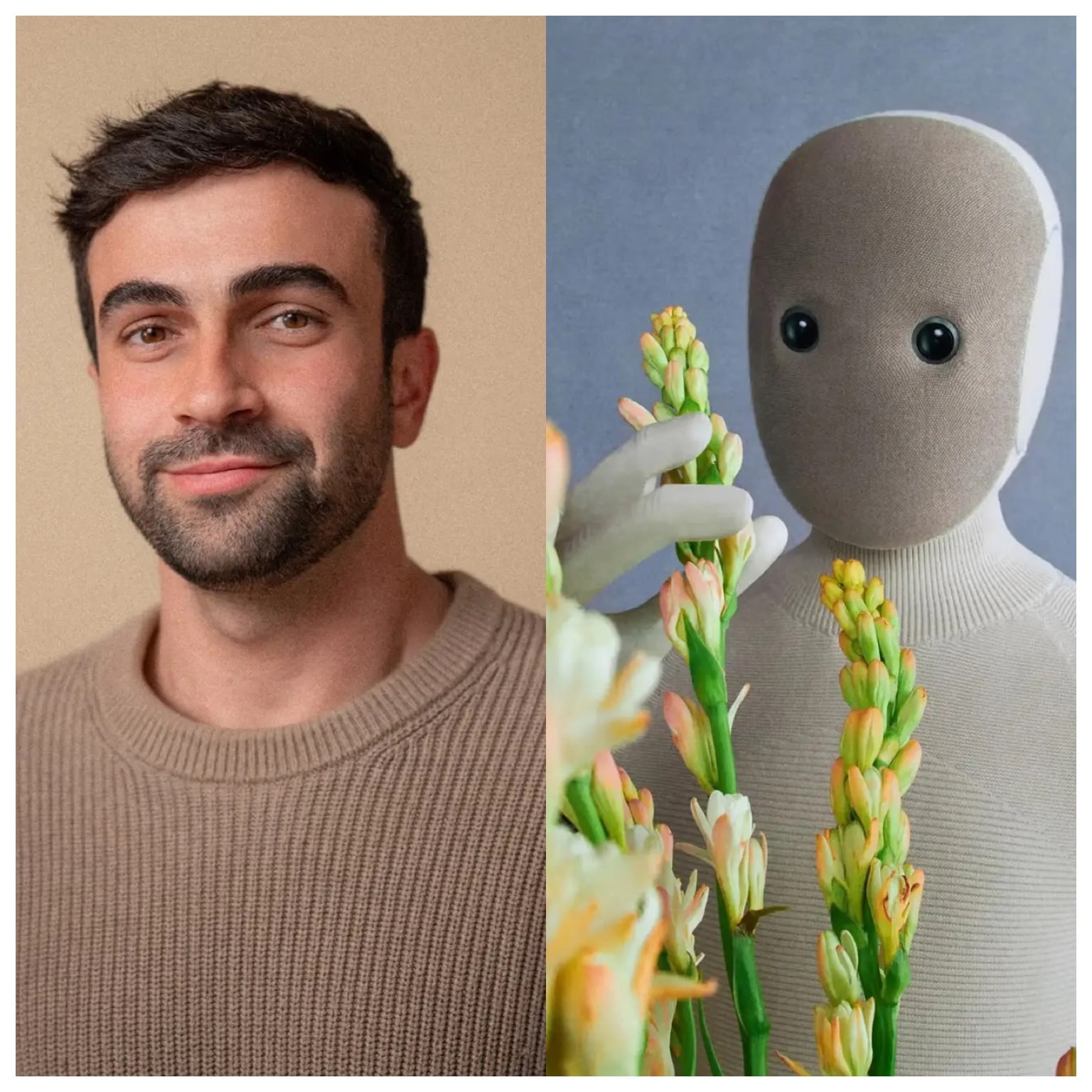
A senior executive at robotics startup 1X has publicly accused Wired magazine of misrepresenting an exclusive interview about the company’s humanoid household robot, claiming the publication turned the story into one about “sexualizing robotics.” Dar Sleeper, the company’s vice president of product and design, said he felt “pretty betrayed” by the coverage after granting the magazine exclusive access to the launch of 1X’s new robotic hands.
Writing on X over the weekend, Sleeper said he had been blindsided by the direction Wired’s story took. “I gave Wired the exclusive on our hands launch, and they wrote a really weird article about how we are sexualizing robotics,” he wrote. “I felt pretty betrayed because that’s not what they told me they were writing about nor is that what I’ve ever been about… actually I stand for quite the opposite.” He went further, accusing the wider journalism industry of dishonesty, writing: “I’ve come to find a lot of dishonesty and malice in the journalism community so I wasn’t surprised.”
What Wired’s article actually said
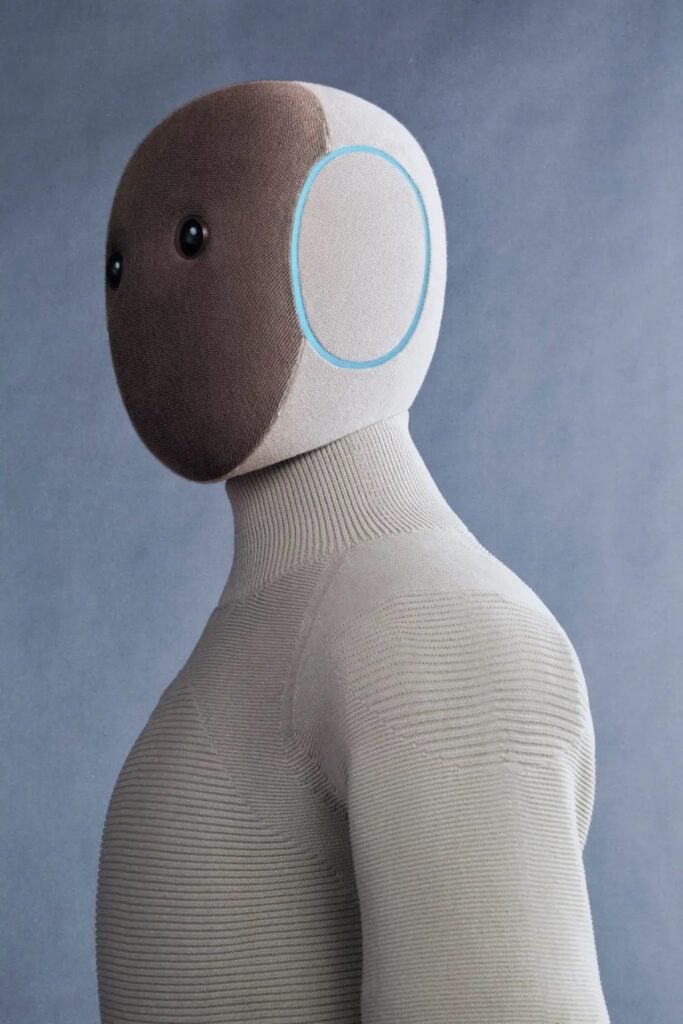
The dispute centres on Neo, 1X’s $20,000 humanoid household robot, also available through a $500-a-month subscription plan. The company says Neo is designed to handle everyday chores such as cleaning and fetching items, using AI-powered robotic hands built with tendon-like cables intended to replicate the movement and dexterity of a human hand. Wired featured the robot and its newly unveiled five-finger hands in an exclusive published last week, written by journalist Boone Ashworth.
In the piece, Ashworth argued that 1X’s promotional videos of Neo “feel very sensual,” pointing to footage showing the robot’s fingers curling around a wine glass, turning off a light, unzipping a jacket, and gently handling grapes. He added a pointed aside: “Not to kink shame, but this is a strange strategy for selling a robot…”
Sleeper publishes his message to the reporter
Sleeper went on to share what he said was a private note he had sent to the Wired reporter following the story’s publication. “It was nice talking to you, but I wanted to let you know that I didn’t enjoy your article at all,” he wrote, addressing the journalist directly. “I understand the need to be inflammatory because that seems to be the only thing that gets clicks these days but that doesnt mean you shouldn’t recognize when something special is in front of you.” He said he now regretted having offered Wired the exclusive in the first place: “I trusted our PR team in saying we should offer you the exclusive on what is one of the most important technological developments in the history of Mankind and I deeply regret it,” before signing off with, “Good luck with the rest of your writing career.”
A wider debate on covering AI
Sleeper has also called more broadly for journalism covering artificial intelligence to “resist the click bait trap,” arguing that the pace of change in the sector “should inspire a journalism renaissance” rather than sensationalised coverage. The exchange has since prompted broader debate on social media over how emerging AI and robotics companies are covered by the press, with some siding with Sleeper’s view that reporting should focus on the underlying technology rather than the way it is marketed.
