

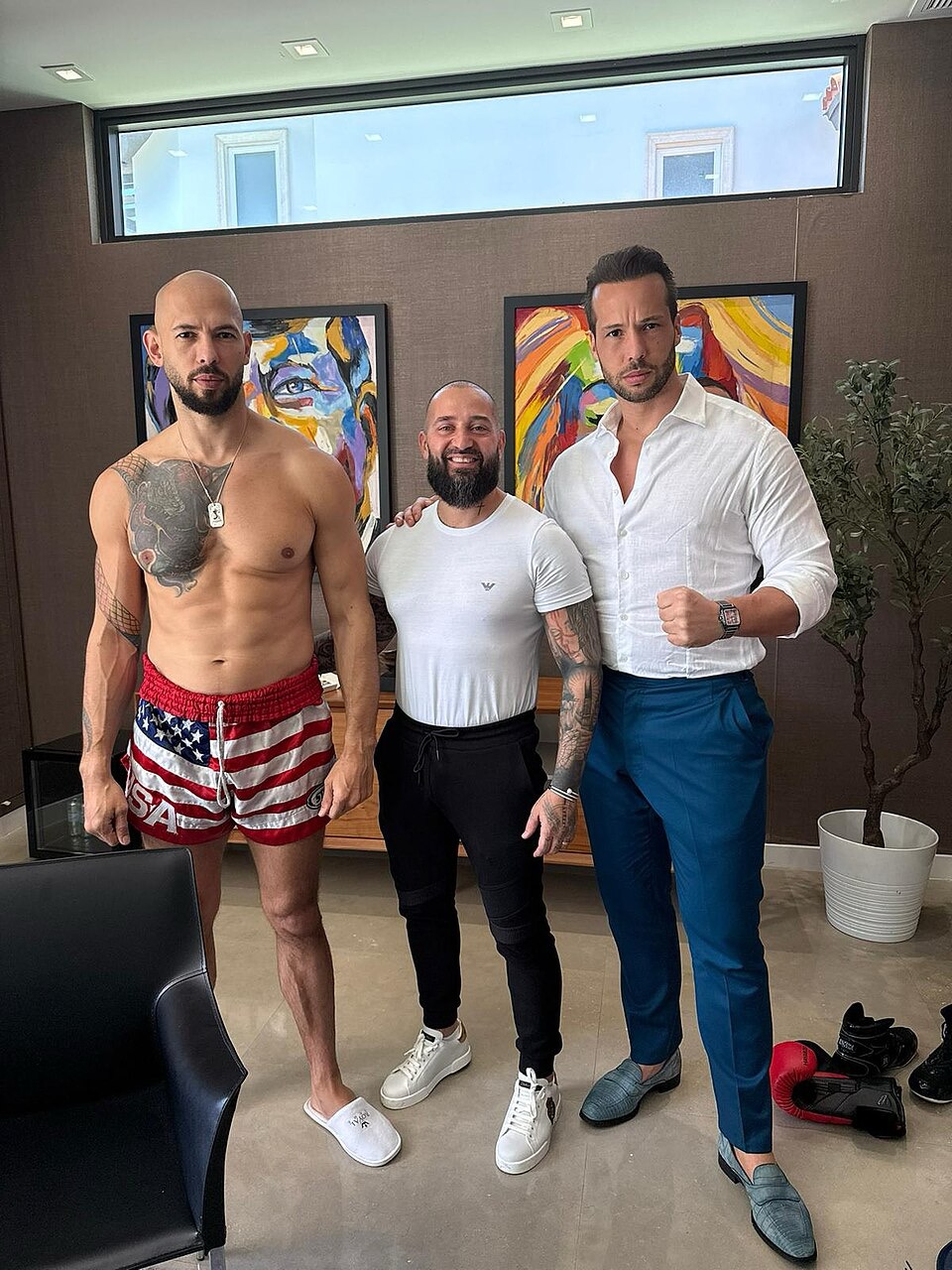
Romanian prosecutors have filed a fresh indictment against Andrew and Tristan Tate alleging they made over £1.1million by trafficking a then 17-year-old girl into their webcam pornography business, adding to a growing list of criminal proceedings the brothers face in both Romania and the UK.
Romania’s directorate for investigating organised crime and terrorism (DIICOT) has brought new criminal charges against Andrew and Tristan Tate, alleging the pair earned more than £1.1million by trafficking a teenage girl into their webcam sex business. The latest indictment, covering an alleged offending period stretching from 2014 to 2025, forms a separate criminal case from the brothers’ original 2022 Romanian prosecution, meaning Andrew, 39, and Tristan, 37, now face multiple ongoing criminal proceedings in the country simultaneously. The brothers, who live in Romania, deny all wrongdoing and have described the prosecutions as politically motivated.
Allegations Involving a Teenage Victim
According to DIICOT, Andrew Tate manipulated a girl who was 17 at the time into working for the brothers’ pornography business between November 2014 and December 2021. The girl was allegedly placed under the control of Tristan, who is accused of sexually exploiting her by managing her online webcam account and setting financial targets she was expected to meet. Prosecutors say the brothers obtained approximately £1.1million through her prostitution during this period.
DIICOT also alleges that Tristan recruited three further women between 2018 and September 2021 using what investigators describe as the “lover boy method” — a technique in which victims are showered with expensive gifts as a means of emotional manipulation into sex work.
Witness Intimidation and Vehicle Sales Also Alleged
The new charges extend well beyond trafficking allegations. DIICOT claims Tristan attempted to pressure 11 witnesses into either lying or withdrawing their statements regarding the brothers’ alleged criminal activity. Andrew is separately accused of using threats of lawsuits and demands for “exorbitant compensation” to intimidate two alleged victims and two additional witnesses into ending their cooperation with police.
Prosecutors have also alleged that between October 2023 and 2025, Andrew sold five luxury vehicles to buyers and companies in the UK despite knowing the cars were subject to seizure orders. Romanian authorities have since expanded precautionary asset seizure measures as the investigation continues, extending them to cover further vehicles and financial assets allegedly connected to the case. Both brothers remain under judicial supervision in Romania, meaning they must comply with court-imposed conditions, though they are permitted to travel under certain restrictions.
What Happens Next in Romania
Before any trial can proceed, the case must pass through Romania’s preliminary chamber, where a judge will review the indictment to confirm prosecutors have followed all required legal procedures and that the case is ready to move forward. Romanian courts have already ruled that the brothers can eventually be extradited to the UK, but only once all proceedings against them in Romania have concluded — meaning any transfer is likely to be delayed for a considerable period given the number of ongoing cases.
Separate Charges Already Filed in the UK
The latest Romanian indictment adds to a substantial list of charges the brothers already face in Britain. The Crown Prosecution Service has charged the Tates with 21 offences in total: Andrew faces 10 charges connected to three alleged victims, including rape, actual bodily harm, human trafficking and controlling prostitution for gain, while Tristan faces 11 charges connected to a single alleged victim, including rape, actual bodily harm and human trafficking.
Two weeks ago, a High Court judge dismissed a legal bid by the Tates to force the CPS to reveal the identities of their female accusers, who are entitled to lifelong anonymity under UK law unless they choose to waive it. Mr Justice Chamberlain ruled that revealing the women’s identities carried a real risk they could be named on social media, telling the court: “The high profile of the claimants was not an irrelevant factor, because it bore on the extent of the damage that would be done if they chose to name the complainants publicly.”
A Separate Civil Case in London
Andrew Tate is also due to face a separate civil trial at London’s High Court, brought by four British women who allege he raped and sexually assaulted them in Luton and Hitchin between 2013 and 2015. He has denied the allegations in a written defence submitted to the court, describing them as a “pack of lies” and “gross fabrications.” Both brothers continue to deny every criminal allegation against them and have said they intend to contest each charge in court.
