

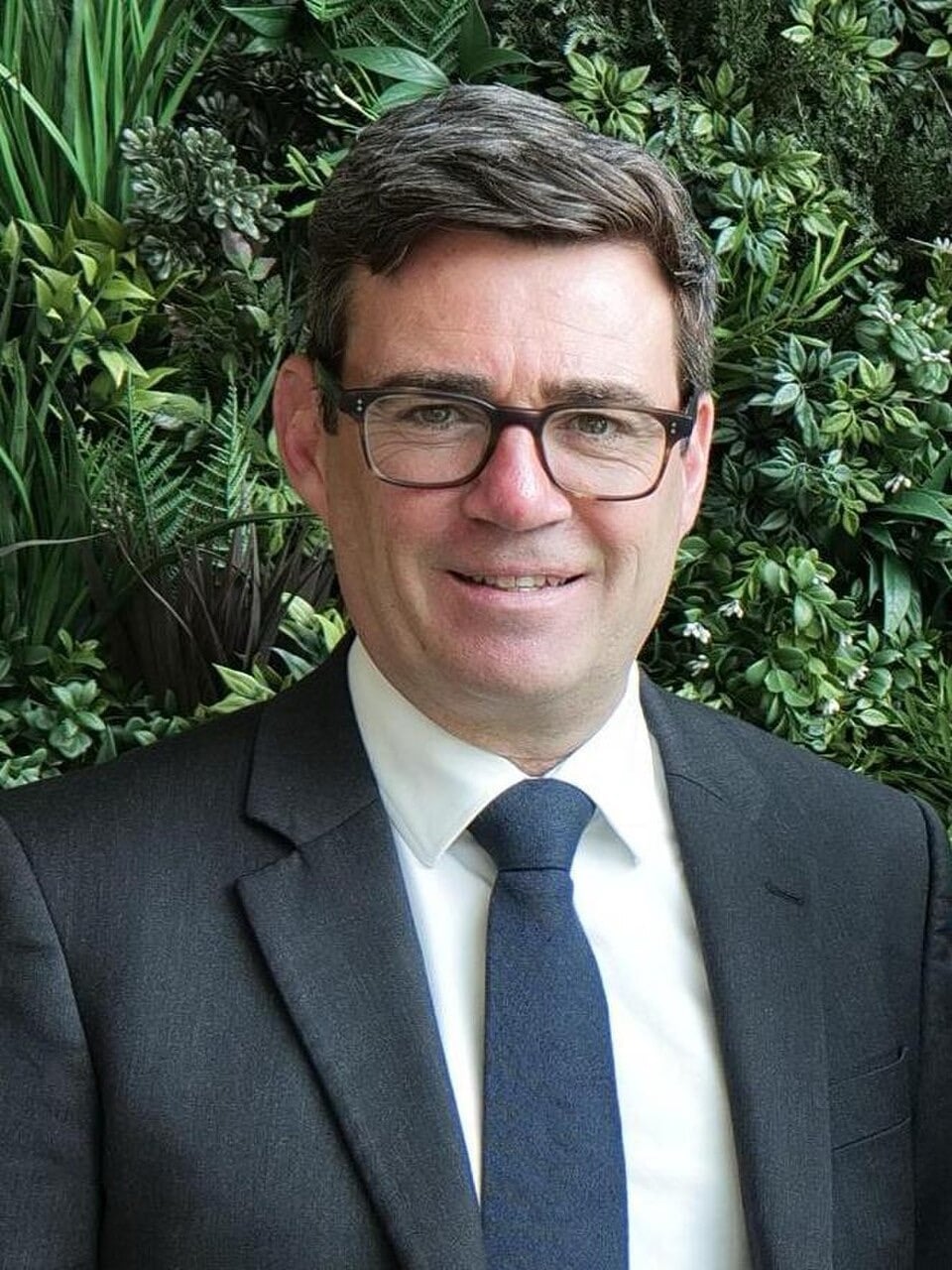
PM-in-waiting tells Scottish Labour MPs another referendum is ‘not something’ he will consider, despite backing more devolution.Andy Burnham has told Scottish Labour MPs that he will not consider granting a second referendum on Scottish independence, according to the Mail on Sunday.
The prime minister-in-waiting, who is widely tipped to succeed Sir Keir Starmer, made his position clear during a meeting with around 25 of Labour’s 36 Scottish MPs in Westminster on Wednesday afternoon. Sources present told the Mail on Sunday that Burnham was firm in ruling out another constitutional vote, despite his recent public support for extending devolution elsewhere in the UK.
One attendee said: “Andy was crystal clear that it is not something he is going to be considering.” Another described the session as well attended and positive, saying Burnham had spoken about wanting to build a new culture within the party and in Westminster, adding: “He came across well and had enthusiasm and energy that has been lacking for some time. It went down very well.” The same attendee said Burnham had been explicit about his opposition to a further vote, stating: “He made the point that he’s not a fan of referendums, isn’t going to be granting one and it’s not something he is willing to consider.”
The comments will be seen as significant given ongoing questions from opposition parties, and some within Labour itself, over whether Burnham’s enthusiasm for devolving power to English regions might also extend to offering Scotland, Wales or Northern Ireland greater autonomy — potentially including another independence vote.
Every prime minister since the 2014 referendum has declined to grant the Scottish government a Section 30 order, the mechanism that would give Holyrood the legal power to stage another independence poll. Scotland’s First Minister John Swinney held a debate on the issue shortly after the Holyrood election, and confirmed in late May that he intended to formally request such an order from Westminster.
Burnham’s wider devolution agenda centres on plans for a “Number 10 North,” aimed at shifting power away from London towards the north of England, alongside proposals to hand greater powers to regional mayors, a role he held previously as mayor of Greater Manchester. Writing in the Scotsman, he described his ambitions as amounting to “the biggest rebalancing of power our country has seen,” and said a Number 10 North would “be the nerve centre of a rewired Britain.” He added that, in Scotland, this would mean “backing energy, shipbuilding, manufacturing and public services,” and giving local leaders “the power and resources to connect communities, back young people and revive high streets.”
Asked during a Reddit Q&A session on Friday night how he envisaged working with devolved governments, Burnham said: “I would like it to be as collaborative and pragmatic as possible. I want the same offer to power up places to be available in all parts of the UK. I will speak soon to First Ministers of Scotland, Wales and Northern Ireland to agree a positive way of working to this end.” He has also said he wants to “extend devolution in Scotland, Wales and Northern Ireland by taking power deeper down,” suggesting a preference for decentralising power beyond devolved parliaments and into local communities.
The proposals have drawn criticism from opposition figures. Conservative leader Kemi Badenoch suggested Burnham’s approach to devolution reflected uncertainty rather than clarity, saying it appeared he “doesn’t know what to do so he wants to pass the problem to someone else.” SNP MSP Ivan McKee was similarly sceptical, saying he had “no idea what he means” and accusing Burnham of relying on “catchy lines” without offering detail to Holyrood. Meanwhile, a reader of the Scottish edition of the Mail told the paper that Scots would be “instinctively alarmed” at the idea of granting the SNP further powers, citing what he called its “astonishing record of failure.”
Burnham’s caution on referendums is not new. In 2020, amid debate over holding a second EU referendum, he said: “You just can’t keep having referendum after referendum” — a shift from his earlier support for a fresh EU vote that had previously drawn accusations of indecision. His scepticism towards nationalism also dates back further: during his 2015 bid for the Labour leadership, he said of Scottish independence, “The party I lead will take the fight to nationalism wherever it is found. This is because I have never believed that politics based on borders and division helps the lot of working people.”
Burnham could formally become prime minister as early as 17 July, should no other Labour MP choose to challenge him for the leadership. While some party figures have voiced support for his bid, others have suggested a contest would still be welcome, to give the public a fuller picture of his policies and priorities before he takes office.
