

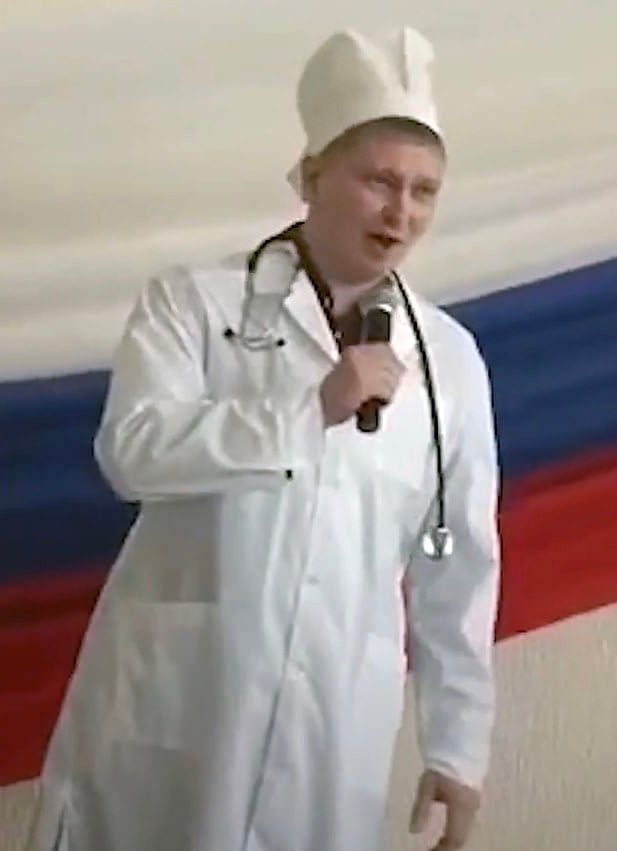
Survivors and human-rights investigators allege a systematic pattern of abuse in Russian-run detention facilities, including accusations that medical staff helped keep prisoners alive so the mistreatment could continue.
Ukrainian prisoners of war and detained civilians have described being beaten, shocked and psychologically coerced at penal colonies and camps in Russia and Russian-occupied Ukraine. According to testimonies gathered by human-rights investigators, the abuse begins soon after capture or transfer and is followed by coercive interrogation. A report by the Centre for Civil Liberties names a prison doctor, Ilya Sorokin, known to inmates as “Doctor Evil”. The allegations are based largely on survivor testimony and have not been tested in court.
The ‘admission’ ritual
Former detainees describe a practice known as “admission”, in which newly arrived Ukrainian prisoners are allegedly lined up and beaten by guards. Accounts mention batons, fists, boots and electric shock devices, including stun guns.
According to the testimonies, the aim is to break prisoners physically and psychologically, to extract information about military secrets and to keep them compliant. Survivors describe the violence as systematic rather than a series of isolated incidents.
Allegations against medical staff
Some of the most serious allegations concern medical personnel. Survivors have accused certain prison doctors and medical staff of monitoring prisoners’ condition during abuse and making sure they remained alive enough for further interrogation, rather than stepping in to stop the mistreatment.
The Centre for Civil Liberties, which was awarded the Nobel Peace Prize in 2022 and is led by human-rights activist Oleksandra Matviichuk, has published a report on the issue. It identifies Mr Sorokin, who is based at Penal Facility No10 (IK-10) in the Republic of Mordovia, Russia. Prisoners gave him the nickname “Doctor Evil”, the report says.
Investigators say the allegations involving individual medical workers rest largely on survivor testimony and human-rights inquiries. They should be distinguished from cases in which Russian officials or guards have been formally convicted.
Investigators also say the testimony is significant because, if medical staff knowingly took part in or facilitated torture, they could be treated as active participants rather than neutral observers. That could matter for future inquiries into individual responsibility.
A wider pattern
The alleged abuse is not limited to prisoners of war. Ukrainian and international investigators have documented accusations involving civilians detained in occupied Ukrainian territory. Some former detainees have also described sexual violence and threats of it, including during interrogation and punishment. Human-rights investigators regard this as one element of a broader pattern of coercion.
Ukraine and international organisations have repeatedly documented allegations of torture, forced disappearances, arbitrary detention and ill-treatment in Russian-controlled territory since the full-scale invasion began. Investigators have identified detention sites in both Russia and occupied Ukraine, which suggests prisoners can be moved considerable distances from where they were captured.
Former detainees say interrogations were aimed at obtaining information on Ukrainian units, commanders, positions and communications, alongside efforts to intimidate prisoners into compliance. Some former PoWs also report being forced to make propaganda recordings or statements, including material intended to portray their treatment positively or undermine Ukraine.
International investigators have repeatedly stressed that the ban on torture is absolute under international humanitarian law. Prisoners of war must be treated humanely and cannot be subjected to coercion, torture or humiliating treatment.
