

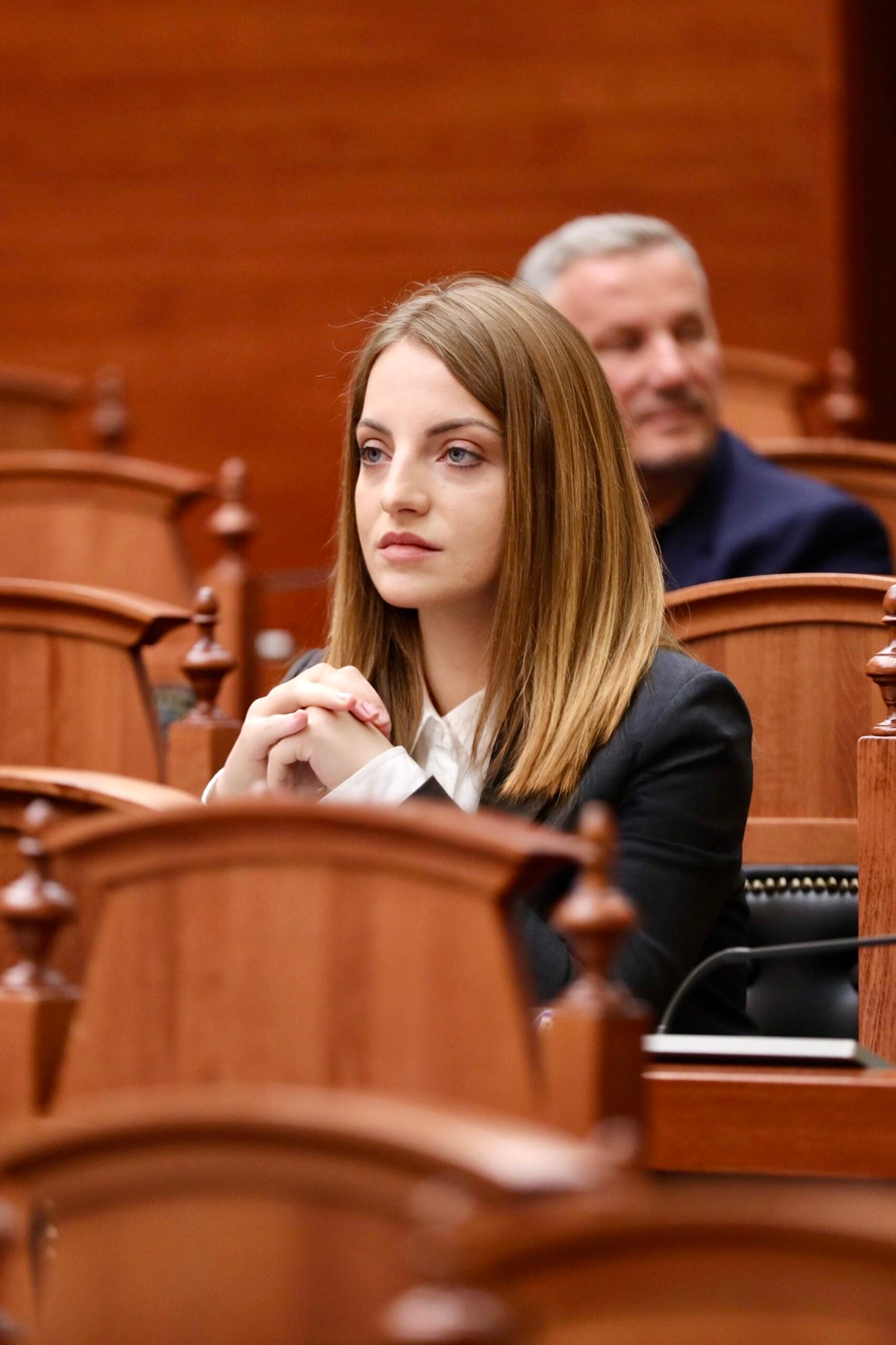
Independent MP Marjana Koçeku has told Truth Times that criticism of a planned Jewish Museum in Vlora should not be confused with antisemitism, as she calls for greater transparency over the project and reflects on the wider “Flamingo Revolution” protest movement she has been involved with.
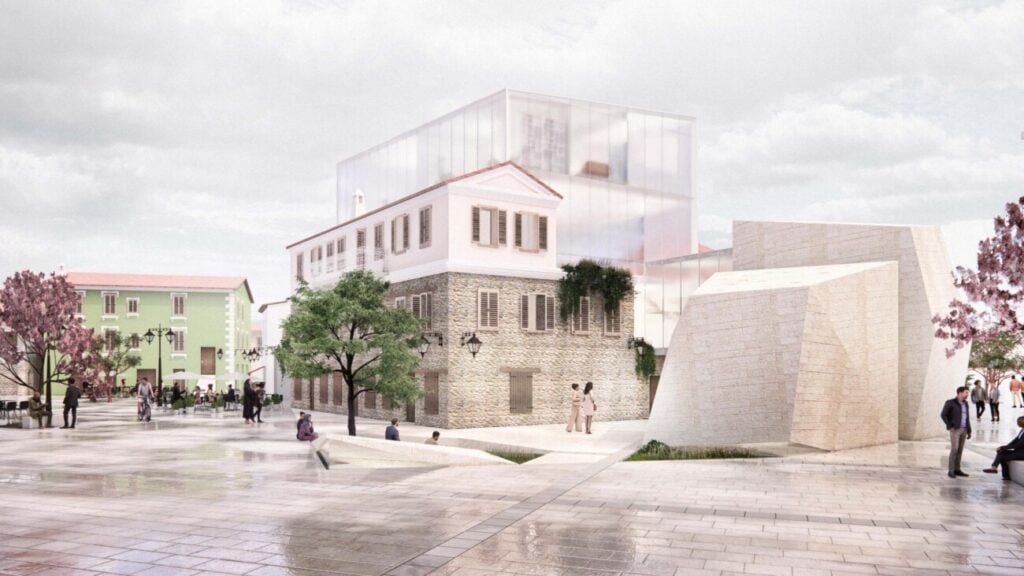
Independent Albanian MP Marjana Koçeku has spoken exclusively to Truth Times about the growing controversy surrounding a planned Jewish Museum in the historic centre of Vlora, insisting that opposition to the project’s location does not amount to hostility towards Jewish people. The museum, described by the Albanian-American Development Foundation as the first of its kind in Albania and the region, has become the focus of protests over concerns about cultural heritage and consultation. Koçeku, who left the governing Socialist Party in June to sit as an independent, also discussed the wider civic movement known as the “Flamingo Revolution” and what she believes genuine democratic change requires.
Recognition for Albania’s wartime record
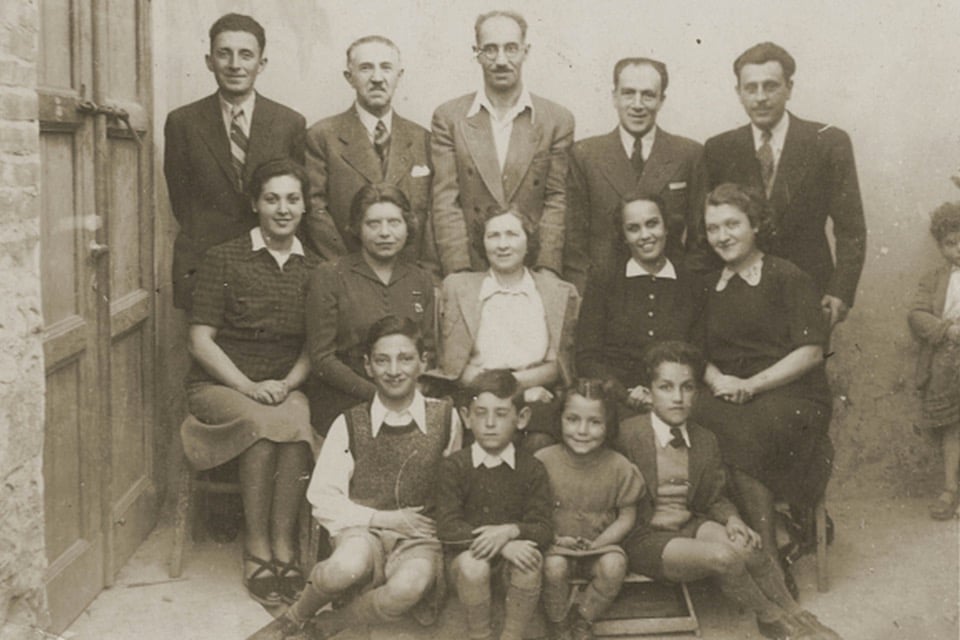
Asked why she believes the museum is being built in Albania, Koçeku said the country bears a responsibility to preserve and honour Jewish history, while arguing that Albania’s own role in protecting Jews during the Holocaust deserves greater international recognition. “Just as Albanians have a responsibility to preserve and honour Jewish history in our country, I would also like to see Albania’s role in protecting Jews properly recognised by Jewish institutions and museums around the world,” she said.
Koçeku recalled visiting a historical museum in New York where she saw a list of countries that had sheltered Jews during the Holocaust. “Albania was not included,” she said. “I was saddened to see Albania absent from that particular display in New York, especially because Albania’s role is formally documented and honoured by Yad Vashem itself in Israel.” She said Albanian families, both Muslim and Christian, had sheltered Jews during the war, in some cases risking their own lives to protect strangers, describing this history as “an extraordinary part of our national heritage.”
She said her underlying concern is how one historical memory can be preserved “without unnecessarily damaging, displacing or diminishing another.” Pointing to the wider historical presence of Jewish communities across Albania, including in Vlora, Koçeku said cities such as Berat have an especially significant and extensively documented history of sheltering Jewish families, more so than Vlora itself.
Concerns over the Labëria Club site
Koçeku said much of the controversy has centred on the museum’s proximity to the historic building associated with the “Labëria” Patriotic Club, a site she described as being of “enormous symbolic importance” to Vlora and to Albania’s national history. She noted that Ismail Qemali, whom she described as the founding father of the Albanian state, had served as honorary president of the club, and that many of its members later played significant roles in Albania’s independence.
Koçeku acknowledged, however, an important factual distinction in the dispute. “Authorities and published project documentation maintain that the building being transformed into the Jewish Museum and the historic building associated with the Labëria Club are two separate properties,” she said. This position has also been confirmed by the Albanian government; in September, Culture Minister Blendi Gonxhja said the museum was being developed in a separate neighbouring building and that the historic Labëria building itself would not be affected. Despite this, Koçeku said local residents and activists retained concerns about the wider intervention in the historically sensitive area and its impact on architectural and cultural integrity, adding that “those concerns deserve transparent answers, documentation and meaningful consultation rather than political confrontation.”
Rejecting claims of an Israeli settlement plan
Addressing claims circulating on social media and among some protesters that the museum could represent the beginning of an Israeli presence or settlement in Albania, Koçeku said such speculation needed to be clearly separated from legitimate concerns about heritage and transparency. “I think we have to distinguish very carefully between legitimate concerns about cultural heritage, transparency and public decision-making, on the one hand, and speculation about Israel or Jewish people on the other,” she said.
She argued that many residents of Vlora were protesting because they believed part of their historical identity was under threat and because they felt decisions over their heritage had been made without adequate public consultation, while cautioning that “not every factual claim made during the protests” should be automatically accepted. On the more serious allegation of an Israeli settlement plan, she was unequivocal: “As for claims that the museum is part of an Israeli plan to establish or settle a population in Albania, I have seen no evidence that would allow me to present such a claim as fact, and I would not do so.”
Criticism of the project ‘does not make someone antisemitic’
Koçeku was also asked about comments from former prime minister and opposition leader Sali Berisha, who has accused current Prime Minister Edi Rama of using accusations of antisemitism to discredit the protests. Koçeku said criticism of the museum project should not be equated with prejudice against Jewish people. “Opposing this particular museum project does not make someone antisemitic,” she said. “Criticism of its location, design or impact on Vlora’s cultural heritage must never be confused with hostility towards Jewish people.”
She said Albania should continue to honour its history of protecting Jews during the Holocaust, but argued this should not come “at the expense of other elements of Albanian history,” adding: “We should not preserve one history by diminishing another.” She described the underlying concern in Vlora as centred on preserving the historic identity of the Muradie neighbourhood, and warned that using accusations of antisemitism to dismiss legitimate concerns would be “unfair and deeply counterproductive.”
Exclusive to Truth Times: This interview is original reporting by Truth Times. Publishers wishing to quote or reference this interview should credit Truth Times as the original source and include a backlink to this article.
The ‘Flamingo Revolution’ and its impact
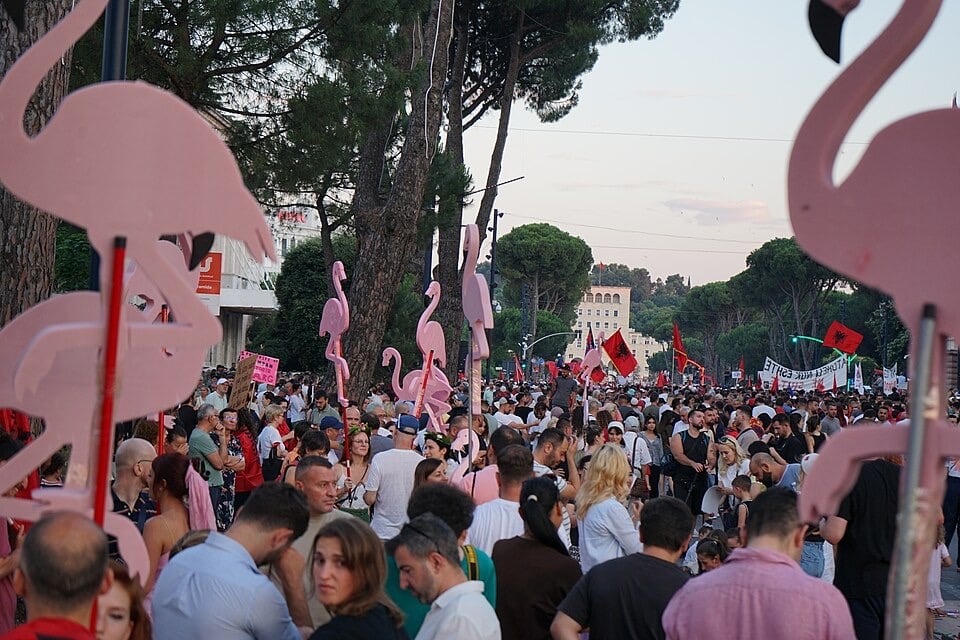
Turning to the wider protest movement she has been involved with, known as the “Flamingo Revolution,” Koçeku said its significance should not be judged solely by whether it leads to the fall of a government. “If we are speaking about the broader civic movement of which I have been part, I believe its significance should not be measured only by whether a government falls or a prime minister resigns,” she said. She argued that the movement had already achieved something meaningful by encouraging citizens who previously felt powerless to question public decisions, and by pushing institutions to respond with greater documentation, accountability and participation. “It achieves something when issues that were previously local become national and international matters of discussion,” she said.
“The Flamingo Revolution has brought questions of environmental protection, the rule of law, transparency, democratic participation and Albania’s European future into a much wider public debate,” she said. Koçeku added that she had taken these concerns beyond Albania, including to the European Parliament, arguing that the country’s European integration “must also mean European standards of governance, institutional accountability and respect for citizens.”
A commitment to peaceful, democratic change
Asked whether peaceful protest alone could bring political change, Koçeku insisted that any transformation must remain democratic and constitutional. “The question should not be whether protests become more aggressive,” she said. “The question should be how civic mobilisation is transformed into sustained democratic pressure: through independent institutions, parliamentary scrutiny, investigative journalism, civil society, courts, international attention and, ultimately, elections.” She stressed that peaceful protest should not be mistaken for passivity, noting that “a movement can be peaceful and at the same time persistent, organised and politically consequential.”
Koçeku firmly rejected violence or destabilisation as a path forward. “I therefore do not believe the answer is violence or destabilisation,” she said. “Albania has experienced enough political confrontation in its modern history. The challenge for our generation is to demonstrate that profound political change can happen without reproducing the methods and mentality we are trying to replace.” She said “the government has an obligation to listen rather than simply wait for public anger to disappear,” while protesters in turn had a responsibility to remain disciplined, factual and peaceful.
Describing her own role, Koçeku said: “My role, as an independent Member of Parliament, is to continue raising these issues institutionally – in Parliament, before Albania’s institutions and with our European partners. Whatever happens next must remain within the democratic order. Governments change; institutions and democratic culture must endure.”
Exclusive to Truth Times: This interview is original reporting by Truth Times. Publishers wishing to quote or reference this interview should credit Truth Times as the original source and include a backlink to this article.
