

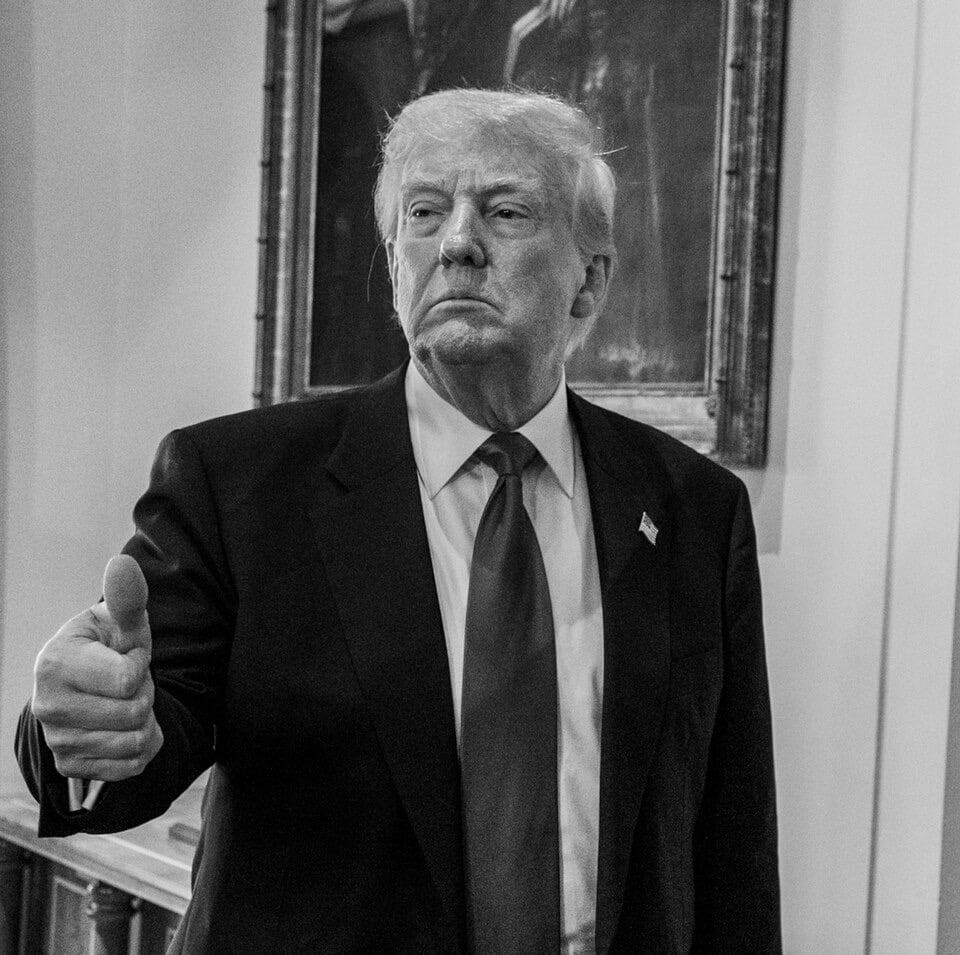
Donald Trump has warned Iran it has 60 days to agree a permanent peace deal or face consequences that “won’t make them happy,” even as the ceasefire underpinning the agreement came under immediate strain following deadly Israeli strikes on Lebanon.
Trump’s warning came as Israel and Hezbollah exchanged fire just one day after the memorandum of understanding was formally signed by Trump and Iranian President Masoud Pezeshkian. According to the BBC, at least 18 people were killed in southern Lebanon after overnight Israeli air strikes, with four Israeli soldiers also reported dead. The Israel Defense Forces said it had struck 80 targets linked to Hezbollah and killed “dozens” of fighters, with the strikes coming in response to projectiles fired by the Iran-backed group.
The opening clause of the memorandum calls for “the immediate and permanent termination of military operations on all fronts, including in Lebanon,” with both sides committing to refrain from further military action and to respect Lebanon’s territorial integrity and sovereignty. The exchange of fire so soon after signing has cast immediate doubt on how durable the agreement will prove to be.
Trump pressed Israeli Prime Minister Benjamin Netanyahu to halt strikes on Lebanon while the wider deal remained close to being finalised, but Netanyahu defied him. Trump reportedly confronted Netanyahu over the continued strikes in characteristically blunt terms, using an expletive when asking the Israeli leader what he was doing. Speaking to NBC News, Trump instructed Israel to accept the ceasefire with Hezbollah, telling the broadcaster: “You just gotta calm down sometimes and use your head.”
UN Secretary-General António Guterres urged “maximum restraint at this crucial moment,” while Netanyahu’s office maintained that the latest strikes were carried out in response to Hezbollah attacks on northern Israel, which Israel’s military said involved three projectiles fired at its territory. There was no immediate comment from Hezbollah.
Iranian officials responded with their own warnings. Ebrahim Azizi, who chairs the Iranian parliament’s national security commission and is closely aligned with the country’s top leadership, said “a strong response is coming.” Iran’s parliamentary speaker Mohammad Bagher Qalibaf, one of Tehran’s lead negotiators, posted on X warning the United States that “if you lack the will and ability to fulfill your commitments, speaking of continuing the path is not possible.”
Trump has made clear the 60-day negotiating window is not unconditional. Speaking after the signing, he said that if a wider deal could not be reached within that timeframe to end a conflict now in its 110th day, “we go back to bombing.” Speaking to reporters at the G7 summit in France earlier in the week, he had similarly warned: “If I don’t like it, we’ll go back to shooting at them, dropping bombs on their head.”
US intelligence officials are reportedly concerned that Netanyahu may attempt to deliberately undermine the broader peace agreement between Washington and Tehran, given Israel’s exclusion from direct negotiations and its clear discomfort with several of the deal’s terms.
