

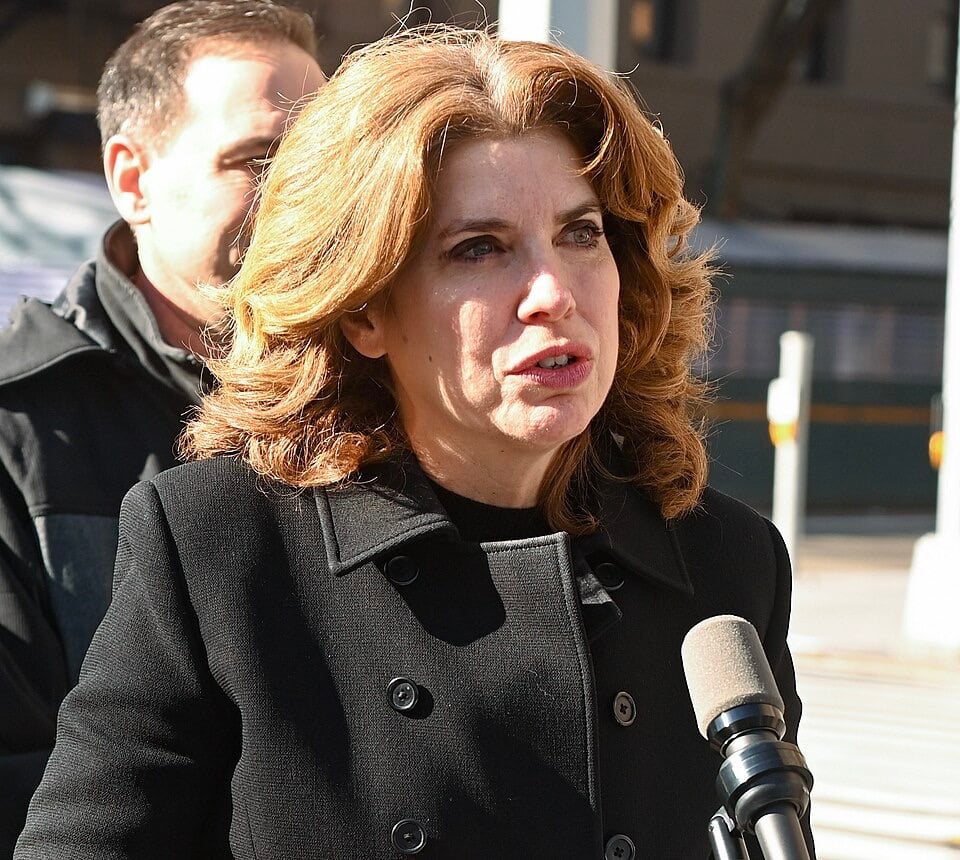
Council Speaker Julie Menin has called on the Mamdani administration to order the immediate disinfection of cooling towers across Carnegie Hill and Yorkville, as the city’s Health Department continues investigating a Legionnaires’ disease outbreak that has hospitalised 21 of the 28 people infected so far.
New York City Council Speaker Julie Menin is pressing the Mamdani administration to force building owners on the Upper East Side to disinfect their cooling towers, as officials work to contain a Legionnaires’ disease outbreak that has already infected at least 28 residents across two Manhattan neighbourhoods. In a letter sent Wednesday to city Health Commissioner Dr Alister Martin, Menin requested an emergency clean-up order covering towers in Carnegie Hill and Yorkville, arguing the department has moved too slowly to protect residents while health officials continue searching for the source of the outbreak.
Menin’s Demand for Immediate Action
In her letter, Menin called for a sweeping response covering the affected area. “I am calling … to immediately order building owners to disinfect all cooling towers in the area of concern, starting near the epicenter and moving out, other than those where the Department has confirmed no Legionella bacteria is present,” she wrote. According to the health department’s dashboard, 21 of the 28 confirmed cases have required hospitalisation. Menin said she remained troubled by the pace of the department’s response, writing: “I am deeply concerned that the Department of Health and Mental Hygiene has still failed to require building owners to proactively disinfect all cooling towers in the area under investigation.”
Menin’s intervention follows a town hall she attended alongside Commissioner Martin on Tuesday at the Church of St Ignatius Loyola, where the pair discussed the growing outbreak directly with local residents. She pointed to the particular vulnerability of the district’s population in pressing her case. “Every day, more of our neighbors are falling ill from Legionnaires’ disease. This district has some of the densest zip codes in the nation and a high number of seniors who are especially susceptible to the disease, making this request even more necessary and urgent,” she wrote.
Health Department’s Response
A spokesperson for the Health Department said Menin’s request remains “under review,” while defending the pace of the city’s response so far. The spokesperson said inspectors have been “aggressively identifying cooling towers that test positive for Legionella bacteria and ordering those buildings to be disinfected” since 2 July, adding: “We identified this cluster early and have acted quickly to get the word out to New Yorkers.” Health officials have collected water samples from multiple cooling towers across both neighbourhoods, with laboratory testing continuing in an effort to pinpoint the outbreak’s source.
Under existing New York City regulations, building owners whose cooling towers test positive for elevated Legionella levels are already required to disinfect their systems and submit follow-up test results to the city. Officials have stressed there is no evidence the city’s drinking water supply is contaminated, with the investigation remaining focused specifically on aerosol-producing cooling towers.
Understanding the Disease
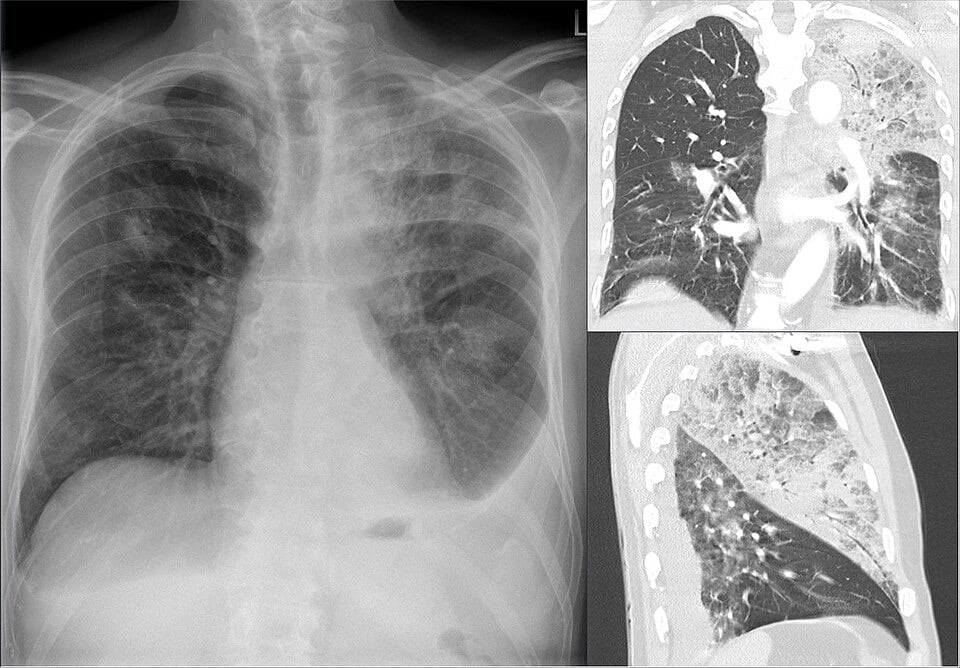
Legionnaires’ disease is a form of pneumonia caused by Legionella bacteria, which thrive in warm water. It produces flu-like symptoms and can lead to serious, potentially fatal complications if left untreated, according to health officials. People become infected by breathing in water vapour or mist containing the bacteria, though most people exposed to Legionella do not go on to develop the disease; illness typically follows high or repeated exposure, particularly among those at greater risk, including the elderly, people with lung disease, and those who are immunocompromised. The disease is not contagious and cannot spread between people, through drinking water, or via air conditioners. “The bacteria that cause Legionnaires’ disease does not spread through cooled air from air conditioners,” the department said.
Cases Expected to Rise Further
The Health Department has warned that the number of confirmed cases could continue climbing as further laboratory results come back and previously reported illnesses are investigated. Because symptoms typically develop between two and 10 days after exposure, though sometimes later, officials say additional cases may still emerge in the coming days. The department has urged anyone who has lived, worked in, or visited the affected Upper East Side area since late June and subsequently developed flu-like symptoms, fever, cough or shortness of breath to seek medical attention promptly. City health officials have also been carrying out door-to-door outreach in the affected neighbourhoods, distributing public health guidance to encourage early testing and treatment.
A Larger Outbreak Than Last Summer, So Far
The current cluster follows a larger outbreak in Harlem last summer, which resulted in 114 confirmed Legionnaires’ disease cases, including seven deaths.
