

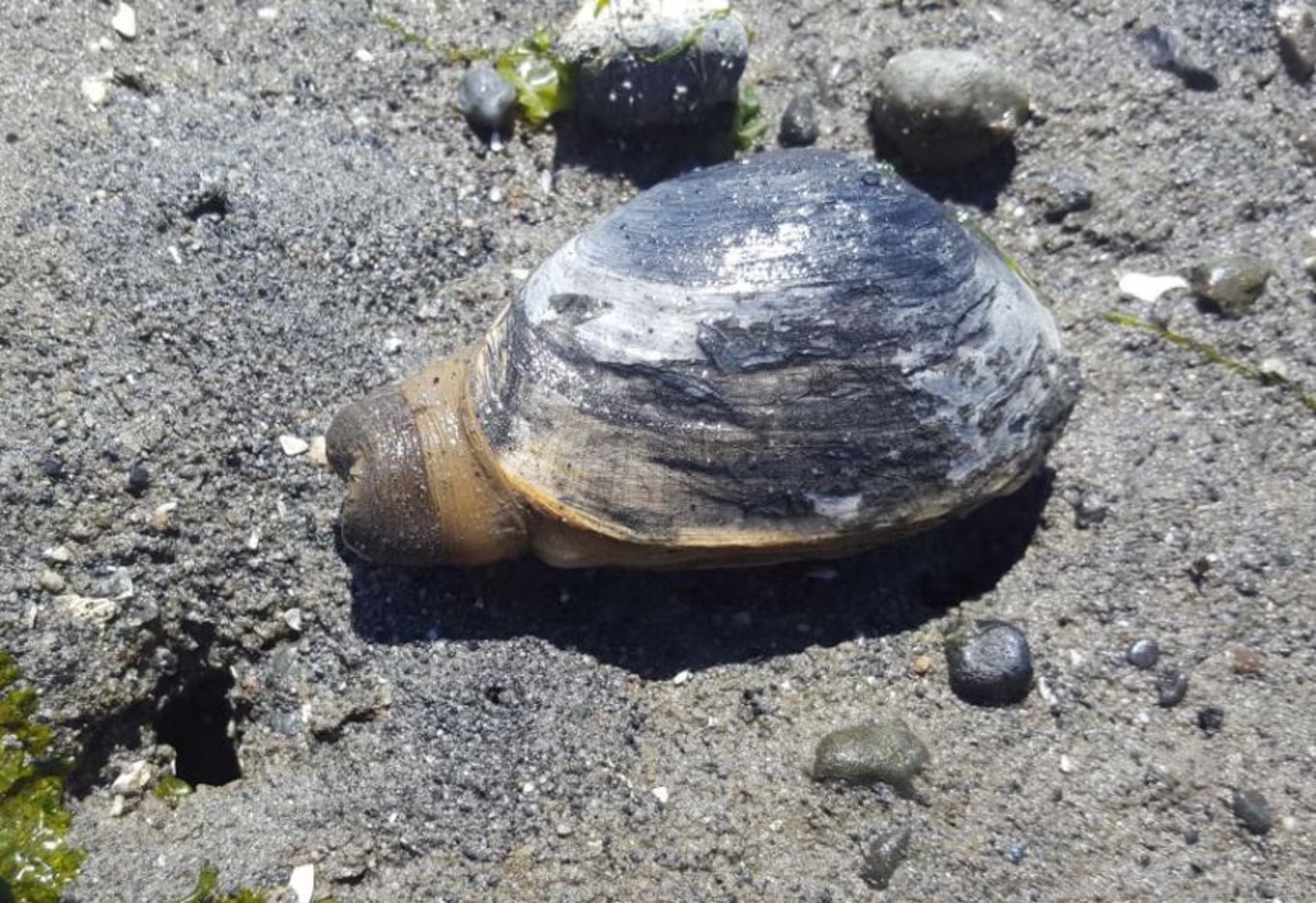
Scientists have detected a contagious cancer decimating soft-shell clam populations in Washington’s Puget Sound, with infection rates reaching 75 percent in one area, marking the first time the disease has ever been recorded on the West Coast.
Soft-shell clams in Washington state’s Puget Sound are being ravaged by a contagious and lethal cancer that scientists have now confirmed for the first time on the West Coast. According to the Pacific Northwest Research Institute, the outbreak has hit especially hard in a large watershed known as Triangle Cove, where researchers estimate around 75 percent of sampled clams were infected, one of the highest infection rates ever recorded for the disease. The cancer, known as bivalve transmissible neoplasia (BTN), had previously only been documented in East Coast clam populations, making its appearance in Washington waters a significant and troubling first.
A Cancer That Spreads Like an Infection
What makes BTN unusual is that the cancer cells themselves act as the infectious agent, transmitting directly between animals through seawater rather than being caused by a virus or bacterium, a phenomenon that remains extremely rare in nature. Once infected, clams typically develop an overgrowth of abnormal blood cells that disrupts normal organ function and ultimately proves fatal. Scientists say the disease poses no known direct risk to humans, and infected clams remain safe to eat.
Pollution and Warming Waters May Be Fuelling the Outbreak
According to the Environmental Protection Agency’s National Estuary Program, pollution and rising water temperatures can make shellfish more vulnerable to developing cancer in the first place. Researchers believe shellfish populations already under stress from pollution, habitat degradation and warmer waters may be more susceptible both to developing the disease and to spreading it once present. The cancer was first detected in Puget Sound in 2022, with follow-up surveys of the area continuing through 2024.
Tracing the Disease’s Origins
Genetic analysis has linked the Puget Sound outbreak to the same lineage of BTN previously identified in Atlantic and Japanese clam species, populations that may be somewhat less susceptible to the illness. Despite this connection, scientists still do not know exactly how the cancer reached Washington’s waters in the first place.
A Rare Scientific Opportunity Amid the Threat
Researchers say the outbreak appears to be in its early stages, a silver lining that offers a rare opportunity to study how contagious cancers evolve and spread within wild marine populations, something almost never observed in nature. That said, being in the early stages does not mean the disease can simply be halted, and scientists continue to monitor its progression closely.
Risk of Spreading Further Down the Coast
Concern is now mounting that the disease could extend beyond Washington. A spokesperson for Oregon’s Department of Fish and Wildlife warned this week that the cancer could spread down the coast into the state, which, unlike Washington, currently has no dedicated monitoring programme in place to track the disease.
Wider Ecosystem at Risk
While BTN carries no known danger to human health, scientists warn that a significant decline in clam populations could have serious knock-on effects for coastal ecosystems more broadly. Clams play a key ecological role, filtering water, recycling nutrients, and serving as a food source for fish, birds and other marine wildlife, meaning a widespread outbreak could ripple outward to affect species and habitats well beyond the clams themselves.
