

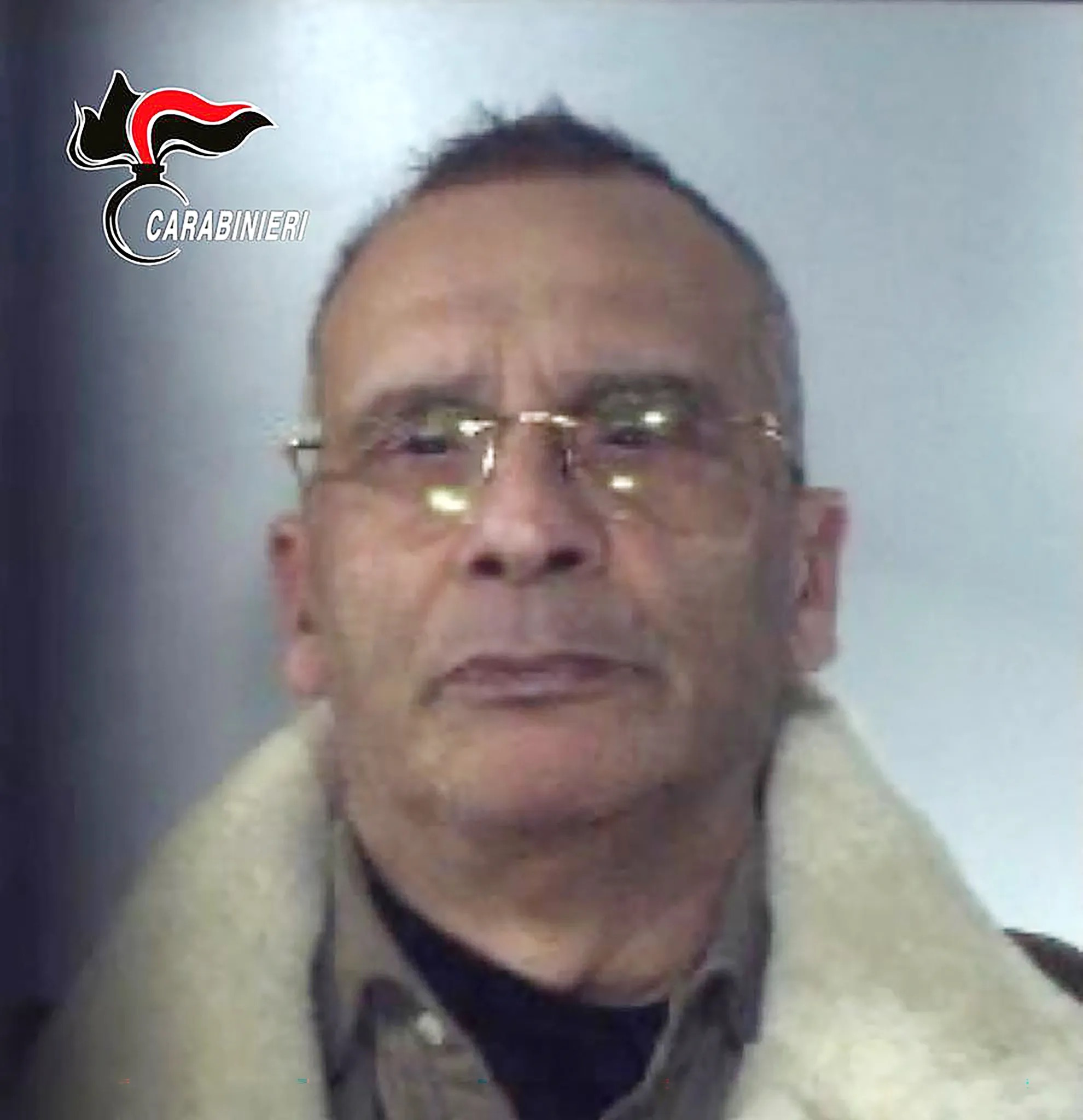
Italian police this week released dramatic footage of officers in riot gear storming palm-lined estates, assisted by drones, helicopters and thermal scanners, as they seized the remaining assets of Matteo Messina Denaro — the man known as the Cosa Nostra’s “final godfather.” The operation offered a rare glimpse into the staggering scale of wealth accumulated by organised crime’s most notorious figures, from a Colombian kingpin who burned $2 million in cash to keep warm to a Mexican drug lord with a private zoo accessible by miniature train.
Denaro, who died in 2023 at the age of 61 after spending three decades as one of the world’s most wanted fugitives, built a £172 million criminal empire that encompassed 22 luxury resorts — including properties on the Costa del Sol — corporate holding companies, securities portfolios, eight foreign enterprises and £8.6 million in physical cash alongside 26 pounds of gold ingots. He was ultimately apprehended in 2023 while receiving treatment for cancer, having boasted that he had “filled a cemetery all by myself.” Italian authorities are still working to claw back vast sums “reintroduced into the legal economy” through legitimate business fronts.

But Denaro’s fortune, remarkable as it was, looks modest beside the wealth accumulated by history’s other great criminal godfathers.
At the peak of Pablo Escobar’s reign over the Medellín cartel in the 1980s, the Colombian kingpin who supplied an estimated 80 per cent of the world’s cocaine was reportedly generating $420 million every week — almost $22 billion a year. The volume of cash was so vast that laundering it became physically impossible, forcing Escobar to hide money in derelict warehouses, inside walls and buried in fields. One farmer stumbled upon $600 million in cash inside blue plastic barrels while digging an irrigation ditch. Escobar’s nephew later found $18 million, satellite phones and a gold pen concealed in the wall of the family home. His brother Roberto, who served as the cartel’s chief accountant, wrote in his memoir that the organisation wrote off ten per cent of its cash reserves each year because rats ate it in storage or it was damaged by water. Rubber bands alone cost $2,500 a month to hold the stacks of notes together.
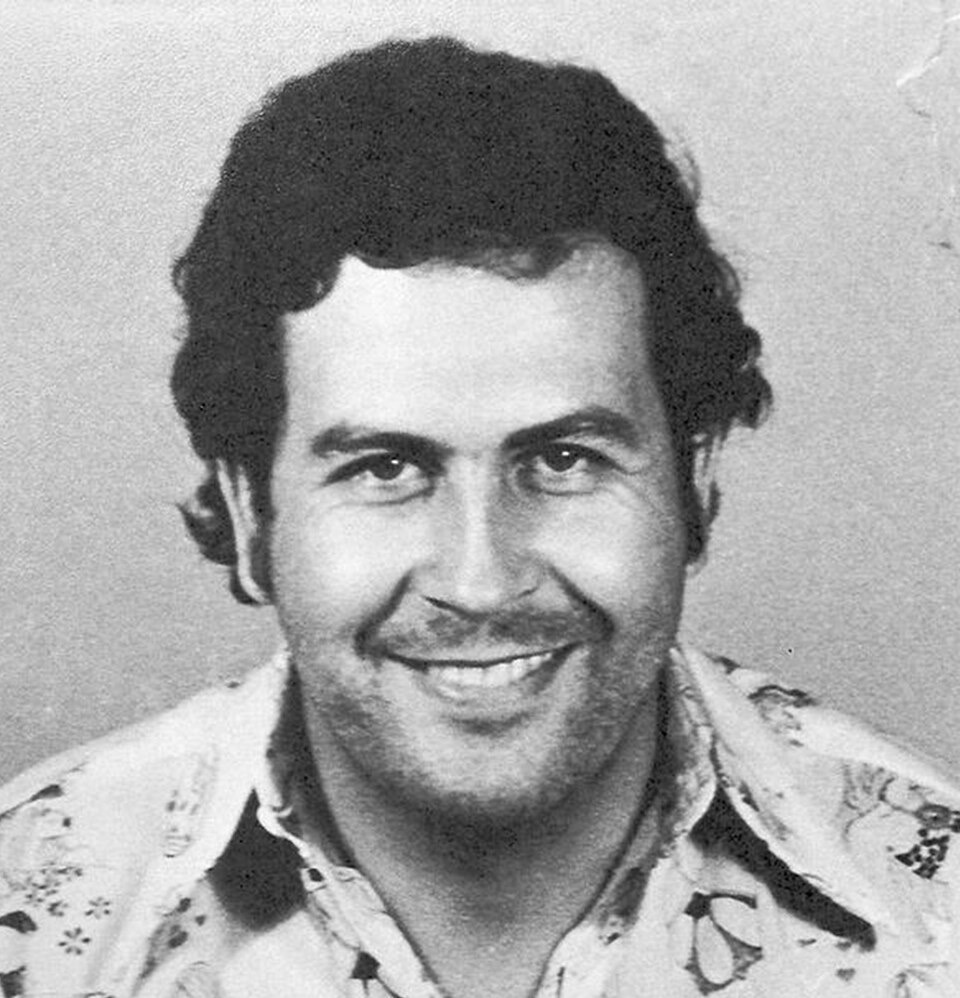
When funds ran low while hiding in the mountains, Escobar famously burned $2 million in banknotes to keep his daughter warm. He was shot dead by police and military in 1993 during a rooftop escape attempt.
His personal estate was equally extraordinary. The 20-square-kilometre Hacienda Nápoles featured a bullring, a private airport, a collection of hovercrafts and a private zoo stocked with elephants, zebras, ostriches, giraffes, camels and hippos illegally smuggled from Africa. The hippos proved an enduring legacy — an estimated 200 feral descendants now roam Colombia, known informally as “cocaine hippos.” The estate has since been converted into a theme park. Escobar also held a major stake in Norman’s Cay in the Bahamas, which operated simultaneously as a drug smuggling warehouse and what one associate, Carlos Toro, described to reporters as being “like Sodom and Gomorrah — drugs, sex, no police. You made the rules.”
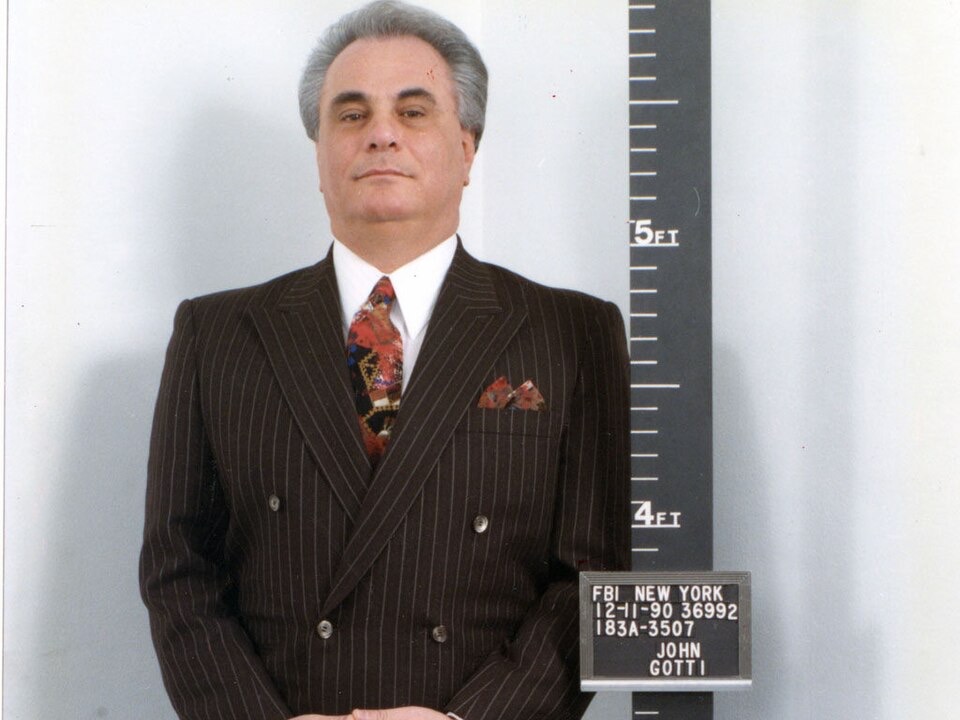
In New York, Gambino crime family boss John Gotti — “The Dapper Don” — favoured tailored Italian suits from Brioni, Kiton and Ermenegildo Zegna costing $2,000 each, changing outfits multiple times daily. He rose to power in 1985 by assassinating his predecessor Paul Castellano, who had himself built a 17-bedroom mansion modelled on the White House, complete with an Olympic-sized pool and marble statues. Under Gotti’s seven-year leadership, the family generated $200 million. Law enforcement estimated his personal earnings between $5 million and $20 million a year from narcotics, gambling, loan sharking and extortion. He blew $300,000 in a single night at the craps tables and maintained a fortified Long Island headquarters with a hidden room behind a bookshelf. He was jailed in 1992 on 13 charges including five murders.
Joaquín “El Chapo” Guzmán, head of Mexico’s Sinaloa cartel, was “conservatively” estimated to be worth $12.6 billion at the time of his third capture in 2016, after which he was sentenced to life imprisonment. His cartel was responsible for the deaths of up to 3,000 people in a single year and smuggled 661 tonnes of cocaine into the United States. To stay free, El Chapo constructed seven interconnected safe houses in Culiacán with reinforced steel doors and escape tunnels hidden behind bathtubs, hot tubs and walk-in wardrobes. Photographer Hans-Maximo Musielik, who visited the properties, described them as “a mess” with “large coagulated pools of blood” on the floors and bullet-sprayed walls. Among his other properties was a $10 million beach house in Acapulco with a private zoo — accessible by miniature train between enclosures housing lions, tigers and panthers — and a dock accommodating a yacht named Chapito, meaning “little shorty.” His taste in weapons ran to a gold-plated AK-47 and diamond-studded pistols, one engraved with a panther and another spelling out his initials in precious stones.
Al Capone, the Chicago Outfit boss who made it into the Guinness World Records in 1927 as the private citizen with the highest annual gross income — $105 million, roughly equivalent to $1.8 billion today — was notorious for requesting extra-large jacket pockets to accommodate wads of $100 and $500 bills. He favoured vintage champagne, flashy diamond jewellery, seven-tonne armoured cars and a prominent waterfront mansion in Miami Beach. Allegedly, he hid cash and gold in secret vaults and safety deposit boxes across Chicago. The discovery of a sealed vault at the Lexington Hotel — broken open on live television in 1986 before 30 million viewers — produced nothing more dramatic than a few empty bottles. Capone was ultimately brought down not by murder charges but by tax evasion, jailed in 1931 two years after ordering the Saint Valentine’s Day Massacre of 1929. His 1928 bulletproof Cadillac was put up for auction just two years ago, carrying a price tag of £729,000.
