

The Albanese Government is rolling out a $56.1 million digital replacement for Australia’s incoming passenger card, promising smoother arrivals, stronger biosecurity checks and a border system ready for the Brisbane 2032 Olympics — on its third attempt to digitise the process after two earlier efforts collapsed.
Millions of travellers arriving in Australia will soon be spared the familiar scramble to fill out a paper form, after the federal government confirmed plans to retire the incoming passenger card in favour of a digital system called the Australia Travel Declaration. The announcement, made on Sunday, follows a trial involving more than 450,000 passengers on selected Qantas flights and represents a $56.1 million investment in modernising Australia’s borders. Officials say the new system will not only speed up arrivals but also strengthen biosecurity protections and prepare the country for a surge in international visitors ahead of the 2032 Olympic and Paralympic Games in Brisbane.
Third time lucky for digital declarations
The push to digitise passenger declarations is not new, and Australia’s previous attempts have a troubled history. A Digital Passenger Declaration app launched in 2022 was scrapped after just five months following backlash from travellers, while an earlier initiative, the Seamless Traveller Initiative, was announced in 2015 before also being abandoned. Between them, the two failed projects cost the government almost A$250 million. The Australia Travel Declaration marks the third attempt to replace the paper-based system, which has been in continuous use since the 1950s and which tourism industry groups have long argued is out of step with modern, increasingly digital travel.
How the new system works
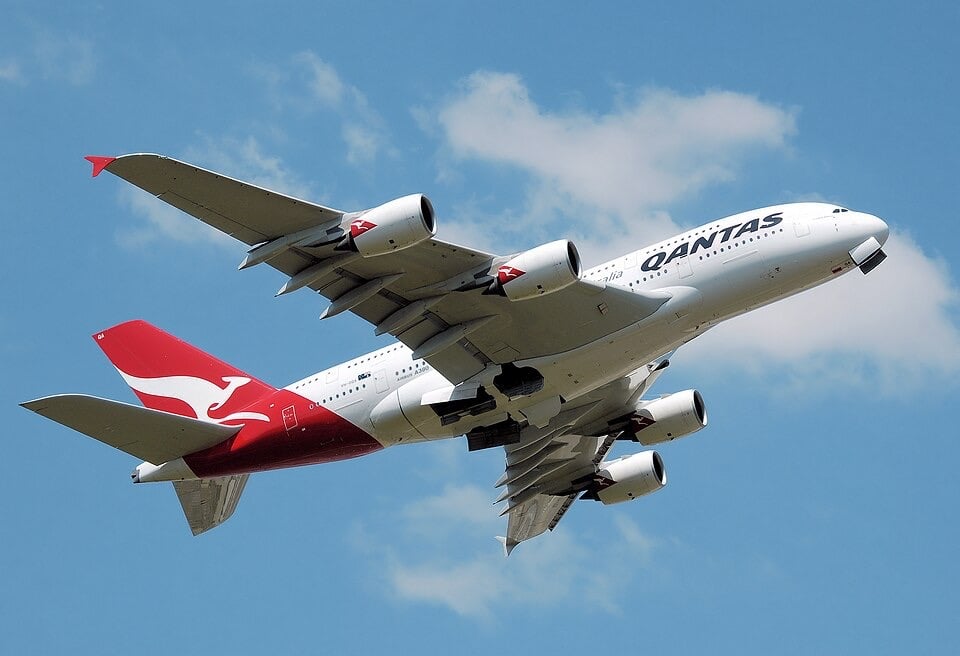
Under the new arrangement, travellers will complete their declaration electronically rather than on paper, submitting their details before they arrive in Australia. During the pilot phase, which began in October 2024 on inbound Qantas services to Sydney, Melbourne and Brisbane, eligible passengers were able to lodge their Australia Travel Declaration up to 72 hours before departure and were sent a QR code by email to present to Australian Border Force and biosecurity officers on landing, in place of a paper card. The government has described the trial as a significant success and confirmed that Perth and Adelaide will be brought into the system before the end of 2026, ahead of a full national rollout across all international airports and seaports over the following 12 to 18 months. In its initial phase, the declaration will be accessed via a web-based form, with the government saying it is working with industry to add further functionality through an app.
Boosting biosecurity and border security
Beyond convenience, the government says the digital system will improve the quality of passenger information collected before travellers arrive, allowing authorities to update requirements more quickly in response to emerging risks. Agriculture Minister Julie Collins said the declaration would strengthen the country’s biosecurity protections by providing officials with better information before potential threats reach Australian shores, noting that the government has invested more than A$2 billion in additional biosecurity resources since 2022.
Home Affairs Minister Tony Burke described the changes as central to both Australia’s economic prosperity and its national security, saying the new system would give overseas visitors and returning Australians alike a more seamless border experience suited to everyday digital life.
Ministers promise a smoother arrival
Trade and Tourism Minister Don Farrell said the shift away from paper forms would make life easier for those arriving in the country. “Making arrivals simpler and quicker means visitors can spend less time filling out forms and more time enjoying everything Australia has to offer,” he said.
Acting Transport Minister Kristy McBain echoed that sentiment, suggesting the change would end a well-worn travel habit, saying the days of “scrambling for a pen on the plane” were now numbered.
