

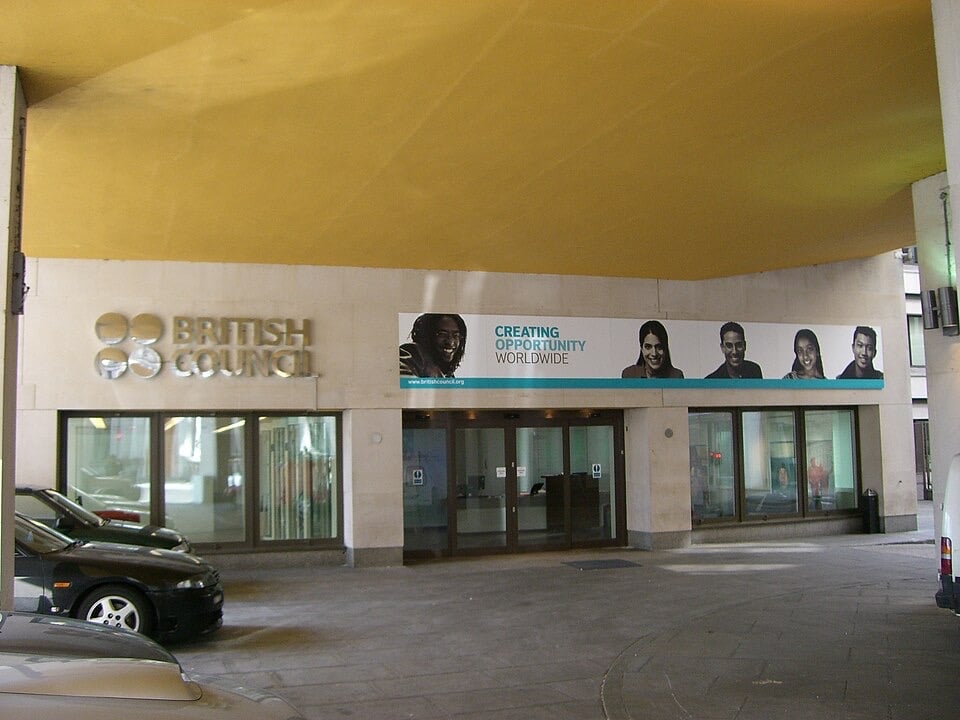
The British Council is planning to cut around 1,180 more jobs and close operations in 11 countries as it struggles to repay a £197 million Covid-era government loan that threatens the long-term survival of the UK’s flagship cultural diplomacy body, the National Audit Office has warned.
The public spending watchdog’s report lays bare the scale of the financial crisis facing the agency, which has promoted English-language teaching and British culture abroad for almost a century. Despite cutting more than 2,110 jobs since 2021, the British Council remains loss-making six years on from the pandemic and is not expected to return to profit until 2029-30. It has incurred net losses of £184 million since the pandemic began and has not repaid any capital on its loan since 2024, though it has paid £42 million in interest and expects to pay a further £53 million by 2029-30.
The loan was originally worth £60 million when advanced by the Foreign, Commonwealth and Development Office in 2020 to help the agency survive the pandemic, but has grown to £197 million with market-rate interest and is due for repayment in September 2027. The FCDO and the British Council are understood to be in the final stages of negotiations, with discussions focused on extending repayment over 15 years.
The turnaround plan under consideration would see around 15 per cent of the agency’s 7,880-strong global workforce cut — roughly 1,180 posts — by 2029-30, through a combination of redundancies, non-renewal of contracts and natural attrition. Operations would close in 11 countries and be scaled back in a further 15. The British Council declined to confirm details, and the NAO said the plan would require ministerial approval.
The agency had previously offered to offset the loan through asset swaps involving its art collection, which includes works by LS Lowry, Francis Bacon, Tracey Emin and David Hockney. That offer was rejected. It had also called for the debt to be written off, a proposal turned down by both the FCDO and the Treasury on the grounds that it would breach the UK Subsidy Control Act 2022.
Recent job cuts and overseas asset sales have sparked protests by British Council staff across Europe, particularly in Spain and Italy, as well as letters of no confidence in the organisation’s management.
Geoffrey Clifton-Brown, chair of the public accounts committee, said the situation was “deeply concerning and untenable.” He added: “It is not sustainable for the FCDO and the British Council to continuously extend the loan year after year, rather than agree on a lasting solution; they must do so as soon as possible to ensure that the British Council is viable for the long term.” NAO head Gareth Davies said any agreement needed to provide clarity to parliament on both the agency’s financial future and the eventual settlement of the loan.
A spokesperson for the British Council said the organisation welcomed the report, which “clearly sets out the challenges we have faced since our operations around the world were hit hard by the Covid-19 pandemic.” They added: “We are taking all necessary steps to significantly cut costs and grow our revenue, ensuring that the British Council is modern, efficient and able to adapt to changing economic conditions. We look forward to agreeing a solution to the loan, enabling us to continue with our mission to support peace and prosperity for the people of the UK and millions of people across the globe.” The FCDO did not respond to a request for comment.
