

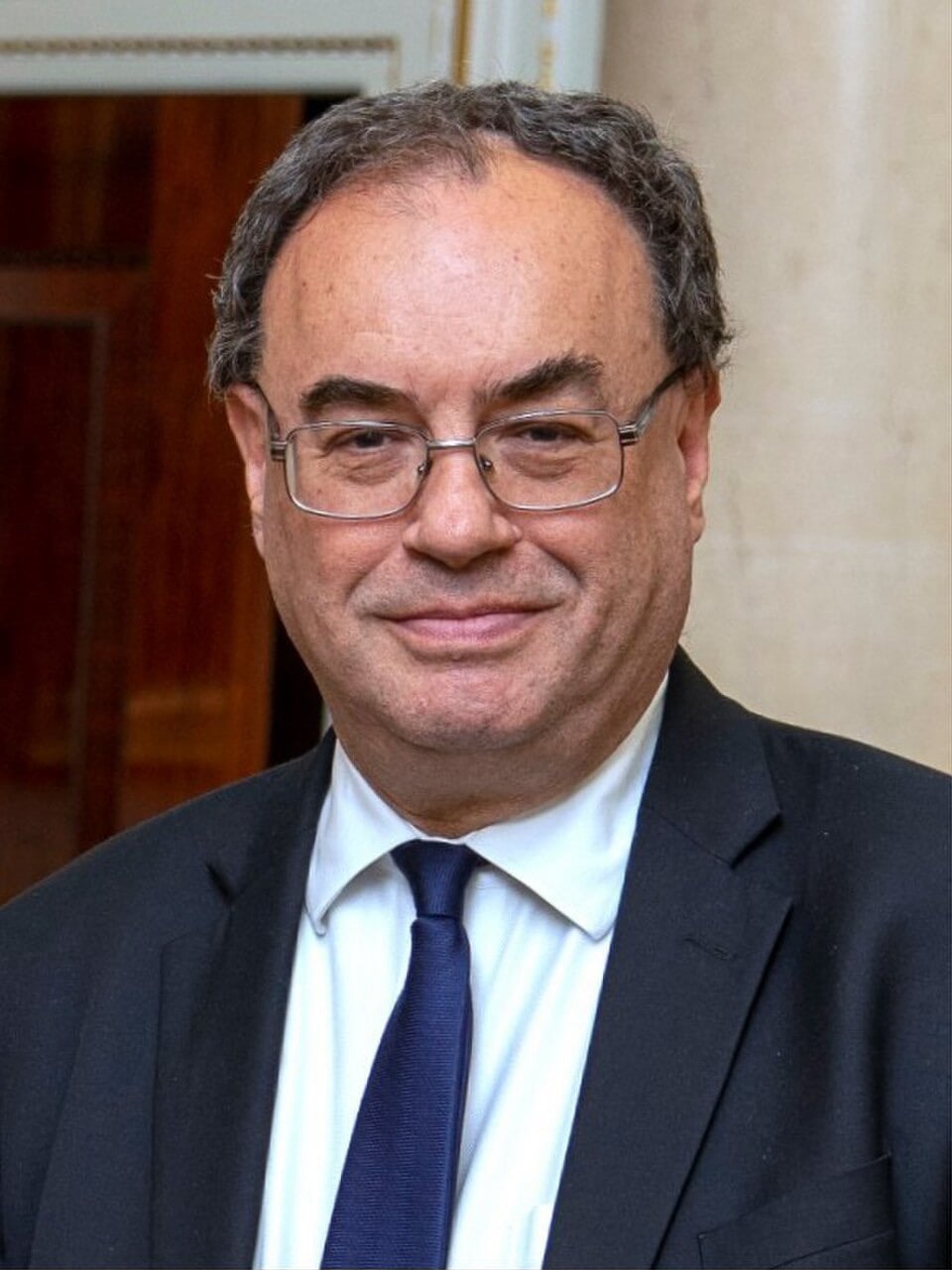
Bank of England Governor Andrew Bailey has told MPs that low economic growth remains the “big issue” facing Britain, delivering the warning just days before Andy Burnham is confirmed to take over from Sir Keir Starmer as prime minister. Bailey’s comments came alongside fresh concerns over renewed instability in the Middle East, after tensions between the US and Iran pushed oil prices to a monthly high on Tuesday.
Speaking to MPs on the Treasury Committee, Bailey said Britain’s underlying economic problem is not tied to any one government, but reflects a much longer-running trend. “The overall message I would give is that I think the big issue is growth in the economy,” he said. “I do actually think that there are signs of a very resilient financial system. What I think is much more challenging is we’ve had low growth in the economy now for the best part of 16 to 17 years. So this is not a story about any one government… but I think it’s important because it is a critical structural issue.” Bailey also stressed the link between financial stability and growth, telling MPs: “We will not get growth if we don’t have financial stability.”
Middle East tensions add to financial risk
Bailey said risks to UK financial stability had increased further in recent weeks, pointing to what he described as a “fragile” ceasefire and ongoing “instability” stemming from the US-Israeli conflict with Iran. “I don’t think I feel qualified to judge how long this will go on for in terms of this resumption of hostilities and how it’s going to end,” he told MPs. “But it underlines that is going to be an unstable process for the foreseeable future.” His remarks came as further attacks between US and Iranian forces unsettled investors and traders, deepening fears that the conflict could escalate fully since an interim peace deal was signed last month.
Oil prices climb, gilt yields follow
The price of Brent crude jumped by more than 4% on Tuesday, reaching around 87 US dollars (£65) per barrel, its highest level in a month. UK government borrowing costs also rose on the back of investor concern over what renewed conflict in Iran could mean for inflation and interest rates, with yields on 30-year gilts climbing to a two-month high of around 5.73% on Tuesday.
Bailey noted that although crude oil prices have eased since peaking in April, the picture is more complicated further down the supply chain. “The one caveat I would add, which I don’t think gets enough coverage, is although crude oil prices come down, the prices of refined products have not come down as much,” he said. “So we’re talking about things like gasoline and diesel at this point, which of course are the end products, so those are the things that matter.” He added that there remained only “fairly soft evidence” so far of these energy costs feeding through into wider UK prices.
Global events driving UK markets
Asked whether financial regulation might be holding back UK growth, Bailey reiterated the importance of stability as a precondition for any recovery. He also stressed that developments overseas, rather than domestic policy, are currently exerting the greatest influence on UK markets. “As the last few days have demonstrated, the big driver of moves in the financial markets is actually not what happens in the UK – it’s the global setting,” he said.
