

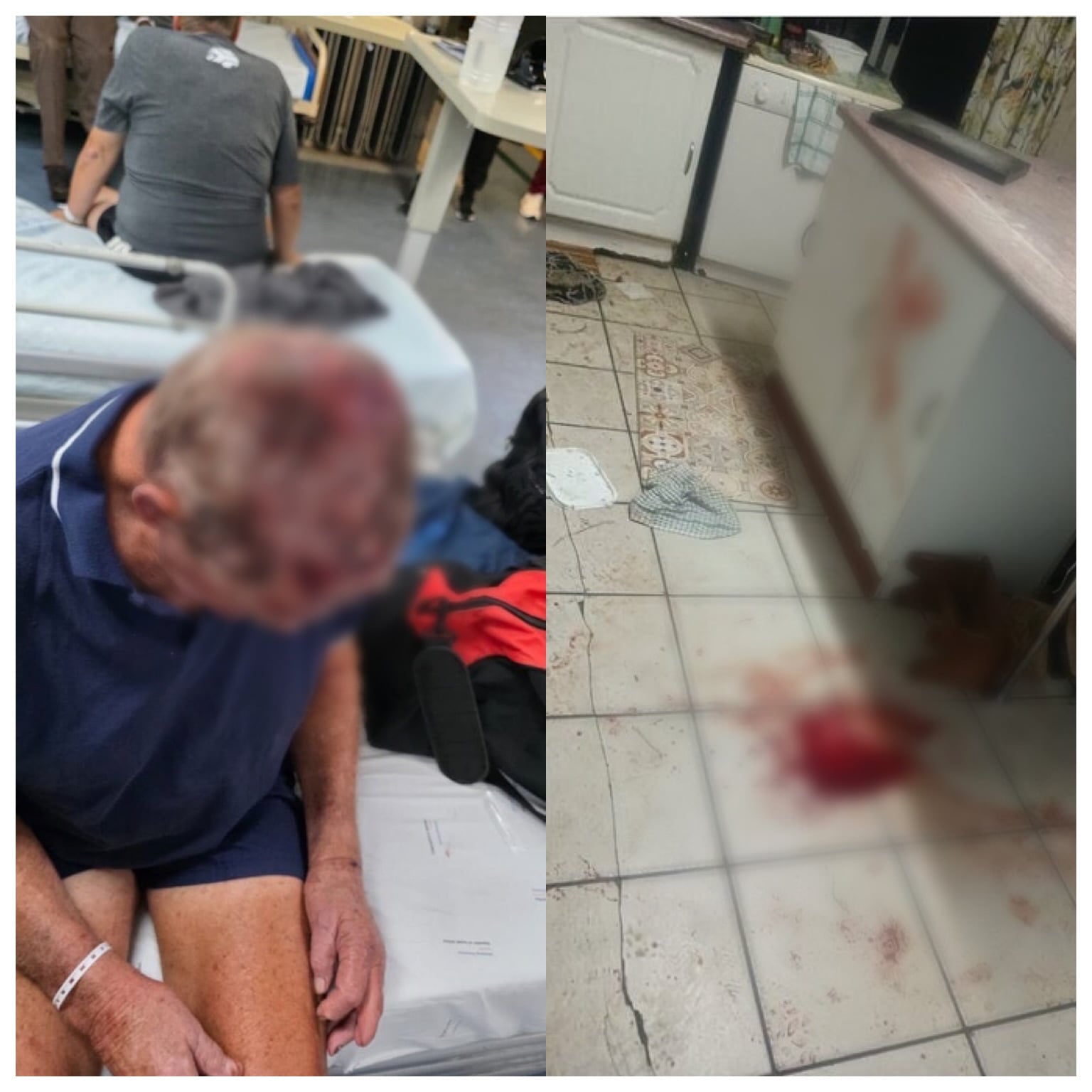
Five armed men broke into a smallholding in Kameeldrift East, Pretoria, just after 11pm, overpowering an elderly farmer, restraining his family and beating him unconscious in an attack that has drawn fresh attention to the deeply contested issue of farm violence in South Africa.
Trompie Kruger, 76, was at home with his family when the intruders forced entry to the property. Moving quickly through the house, the attackers bound one family member with cable ties while Kruger’s wife retreated to the bedroom, locking the door and concealing herself in the bathroom. The men then focused their violence on Kruger.
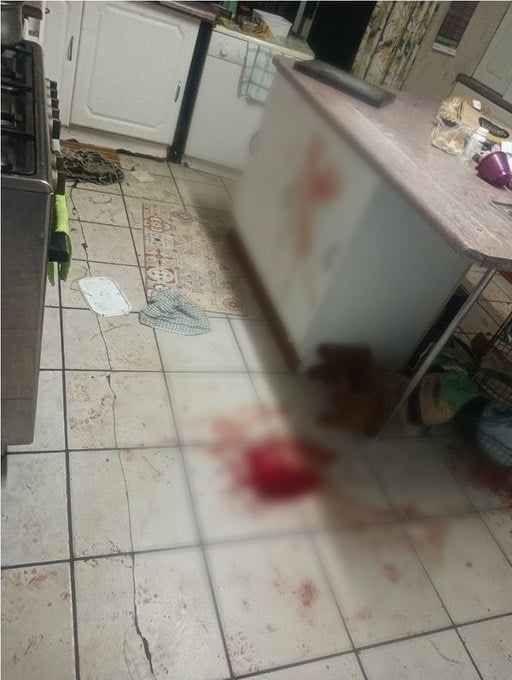
In the kitchen, a savage struggle ensued. The attackers repeatedly struck the elderly farmer over the head with a 9mm pistol and strangled him until he lost consciousness. Kruger survived but sustained severe head injuries that required more than 17 stitches. The attack has left both his family and the wider community in a state of shock.
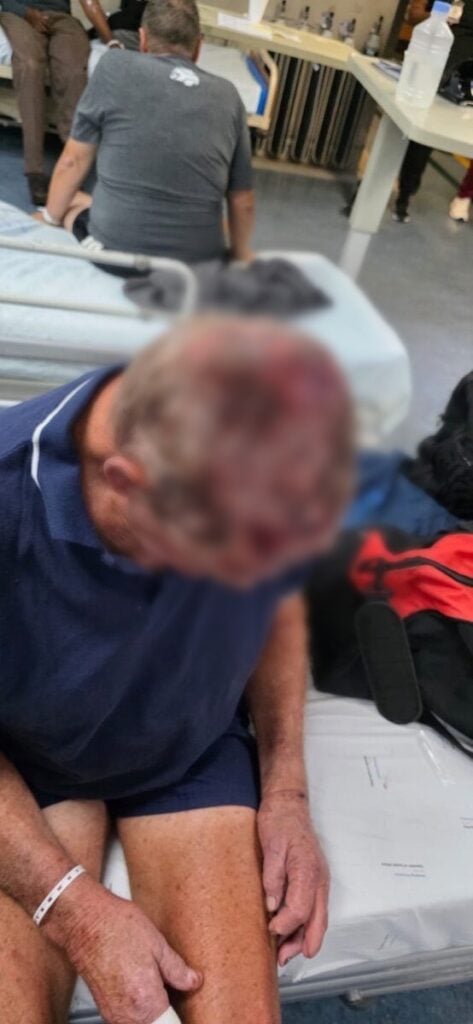
News of the incident spread rapidly on social media, prompting an outpouring of concern and sympathy. A small number of users initially questioned whether the account was accurate, given the highly politicised international debate surrounding farm attacks in South Africa. Those doubts were addressed when an individual claiming a personal connection to the Kruger family confirmed the incident had occurred.
The broader context in which this attack sits is one of chronic controversy. South Africa’s police service has not classified “farm attacks” or “farm murders” as separate crime categories since around 2007, leaving independent organisations — principally AfriForum and the Transvaal Agricultural Union — to track the figures. AfriForum recorded 184 farm attacks and 29 farm murders in 2025, with approximately 36 per cent of those attacks involving extreme violence including torture. Gauteng province, which encompasses Pretoria, registered the highest provincial total — 50 attacks and seven murders over the course of the year.
Early 2026 data compiled by activist trackers indicates no improvement. Around 12 attacks and two murders were recorded in January alone, with March figures running higher than the same month in 2025.
Politically, the issue continues to be inflamed by Julius Malema, leader of the Economic Freedom Fighters, who regularly leads crowds in the struggle song Dubul’ ibhunu — commonly translated as “Kill the Boer” or “Shoot the Farmer.” Malema has performed the chant at rallies, after speeches and outside courtrooms, with instances reported as recently as April 2026. His supporters argue the song is a legitimate piece of anti-apartheid heritage carrying no literal meaning. Critics counter that its repeated public performance in the context of ongoing farm attacks creates a climate of hostility toward white farming communities.
Since 1990, independent trackers estimate that between 2,000 and 2,300 people have been murdered in farm attacks in South Africa, with the majority of victims — figures commonly cited at between 80 and 87 per cent — being white, reflecting the demographic makeup of the country’s commercial farming sector.
