

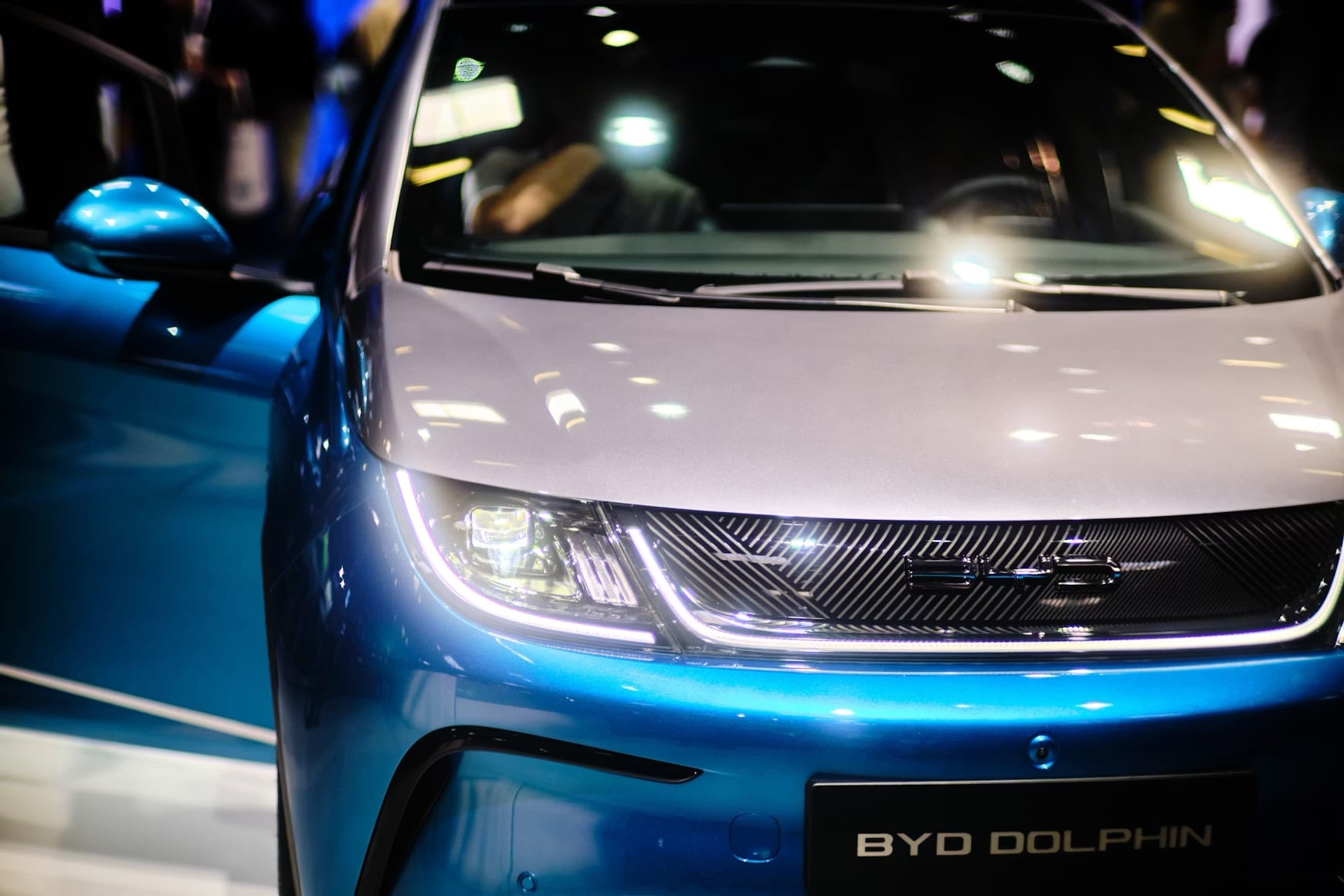
Britain’s elite Special Boat Service has barred Chinese-made electric vehicles from its headquarters in Poole, Dorset, in what is believed to be the first confirmed case of a special forces base blocking such vehicles on security grounds — as it emerges the ban is part of a far wider pattern of restrictions across UK military sites.
The decision reflects growing alarm within the defence establishment that the sophisticated sensor arrays fitted to modern electric vehicles — including high-definition cameras, radar systems, ultrasonic detectors and laser-based mapping technology — could be exploited by Beijing to gather intelligence on sensitive installations. Under China’s Data Security Law, the state can legally compel manufacturers to hand over data collected by these systems, potentially enabling Beijing to map military bases, monitor troop movements and track deployment timings.
The scale of concern extends well beyond Poole. Personnel at RAF Wyton in Cambridgeshire, described as the UK’s top defence intelligence base, have been instructed to park “at least two miles away” if driving a vehicle containing Chinese components, according to the i newspaper. Military chiefs have also been formally advised not to hold sensitive conversations inside Chinese electric vehicles over concerns that voice activation microphones could be used covertly to record audio.
Former military intelligence officer Colonel Philip Ingram has been particularly outspoken about the risks, calling the situation “ludicrous” and accusing defence officials of “a level of naivety and arrogance that beggars belief” in comments to the Daily Telegraph. His concerns are shared at an institutional level: the Defence Science and Technology Laboratory issued a formal assessment warning that electric vehicles — especially those built using Chinese technology — could function as “mobile spying platforms,” with even Western-manufactured cars potentially vulnerable if they rely on Chinese-supplied components.
The issue is complicated by the Ministry of Defence’s own fleet expansion. According to GB News, the MoD currently operates 745 fully electric vehicles, many of which were acquired as part of Whitehall’s push to meet net zero targets under the Zero Emission Vehicle mandate. The mandate requires at least 28 per cent of new vehicle sales to be electric, with the military not exempted. Critics have accused the government of placing net zero ambitions above national security.
Conservative Shadow Security Minister Alicia Kearns said: “The military and government know the risks of Chinese espionage, but we cannot maintain our security with half-hearted measures,” calling for “a full pivot away from Chinese produced EVs in the British military and Government fleets.”
The MoD said it has no blanket policy barring electric vehicles from military sites, but that individual base commanders retain the authority to impose restrictions at their discretion. “Protecting national security is the foundation of everything we do. We have strict security procedures in place to ensure all sensitive information is protected,” a spokesperson said.
The UK is not alone in grappling with this problem. The United States introduced regulations in March 2026 requiring automakers to certify that core connected vehicle systems contain no Chinese-developed software, with hardware-level restrictions to follow by 2030 covering telematics, cameras, GPS and automated driving systems. Australia has faced similar calls from security analysts, though has stopped short of formal restrictions.
Volvo, owned by China’s Zhejiang Geely Holding Group, said it handles personal data in accordance with applicable law and would not share information with any foreign government. The Chinese embassy in London described the security concerns as “completely unfounded.”
