


A fertility festival in southern Nigeria has triggered worldwide condemnation and a major police investigation after videos surfaced showing women being chased through the streets, stripped and sexually assaulted by large groups of men in broad daylight — with the footage viewed millions of times across social media and described by many viewers as evidence of a “rape festival.”
The attacks took place during the annual Alue-Do festival in Ozoro, Delta State, and multiple clips circulating on Facebook, Instagram and X show women running through crowded streets as groups of men pursue them before surrounding them, tearing off their clothing and assaulting them while bystanders film and some appear to cheer. Several of the victims are believed to be female students from a nearby university, many of whom have reportedly been hospitalised.

Police in Delta State confirmed the arrest of multiple suspects, including a community leader and four young men identified in the viral footage. Delta Police Commissioner Aina Adesola ordered the immediate transfer of all suspects to the State Criminal Investigation Department. Spokesperson Bright Edafe said those involved would face charges and urged victims and witnesses to come forward, noting that no formal rape complaints had been filed at the time of his statement. The number of arrests has since risen to more than a dozen as investigators continue to examine videos and witness accounts.
One victim, student Ezeugo Ijeoma Rosemary, gave a harrowing account of her experience to authorities. “Immediately I came down from the bike, they started shouting ‘hold her, hold her, that’s a woman,’ and they swooped on me like bees,” she said. “A large crowd started pulling my clothes until they stripped me naked. They were pulling my breasts and touching my whole body. I was shouting for help.” She said she was eventually rescued by a bystander, but her phone was stolen. She has not returned to school since the attack and says she is still dealing with pain and trauma.
Authorities have described the violence as the work of “criminal elements” who hijacked the festival — a framing that attempts to separate the attacks from the cultural event itself. Local community leaders went further, denying that rape had taken place and insisting the Alue-Do festival had been “misinterpreted.” They described the event as a traditional fertility ritual involving symbolic acts intended to invoke blessings for couples struggling to conceive, acknowledging only that some individuals may have acted “irresponsibly.”
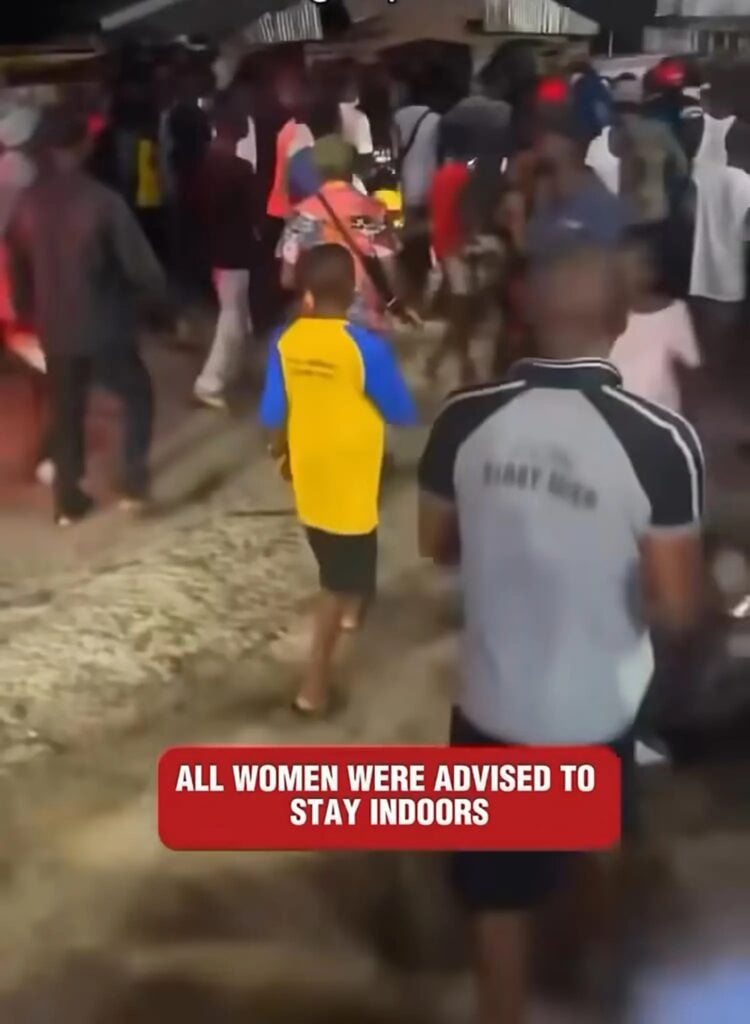
That explanation has been widely rejected. Local reports also indicate that women were effectively required to stay indoors during parts of the festival, framing the attacks not as random chaos but as the targeted response of a large group of men to women’s presence in public space.
Women’s rights advocate Rita Aiki of the Women’s Rights Advancement and Protection Alternative condemned not only the attacks but the conditions that allowed them to unfold openly. “This is not just about what happened in those videos,” she said. “It’s about the conditions that make it possible for this kind of violence to happen in public, with so many people watching and no one stepping in. When people can do this in the open, and others treat it like spectacle, it goes beyond individual actions.”
The scale of the incident — multiple attacks, large numbers of perpetrators, victims assaulted in full view of crowds — has transformed the story into a national and international flashpoint, renewing urgent debate about the safety of women in public spaces in Nigeria and the accountability of those responsible for protecting them.
