
Anne Hathaway has become the unlikely subject of two simultaneous religious controversies, after a fan handed her a copy of the Quran at a London film premiere just days after her use of an Arabic phrase in an interview set social media alight.
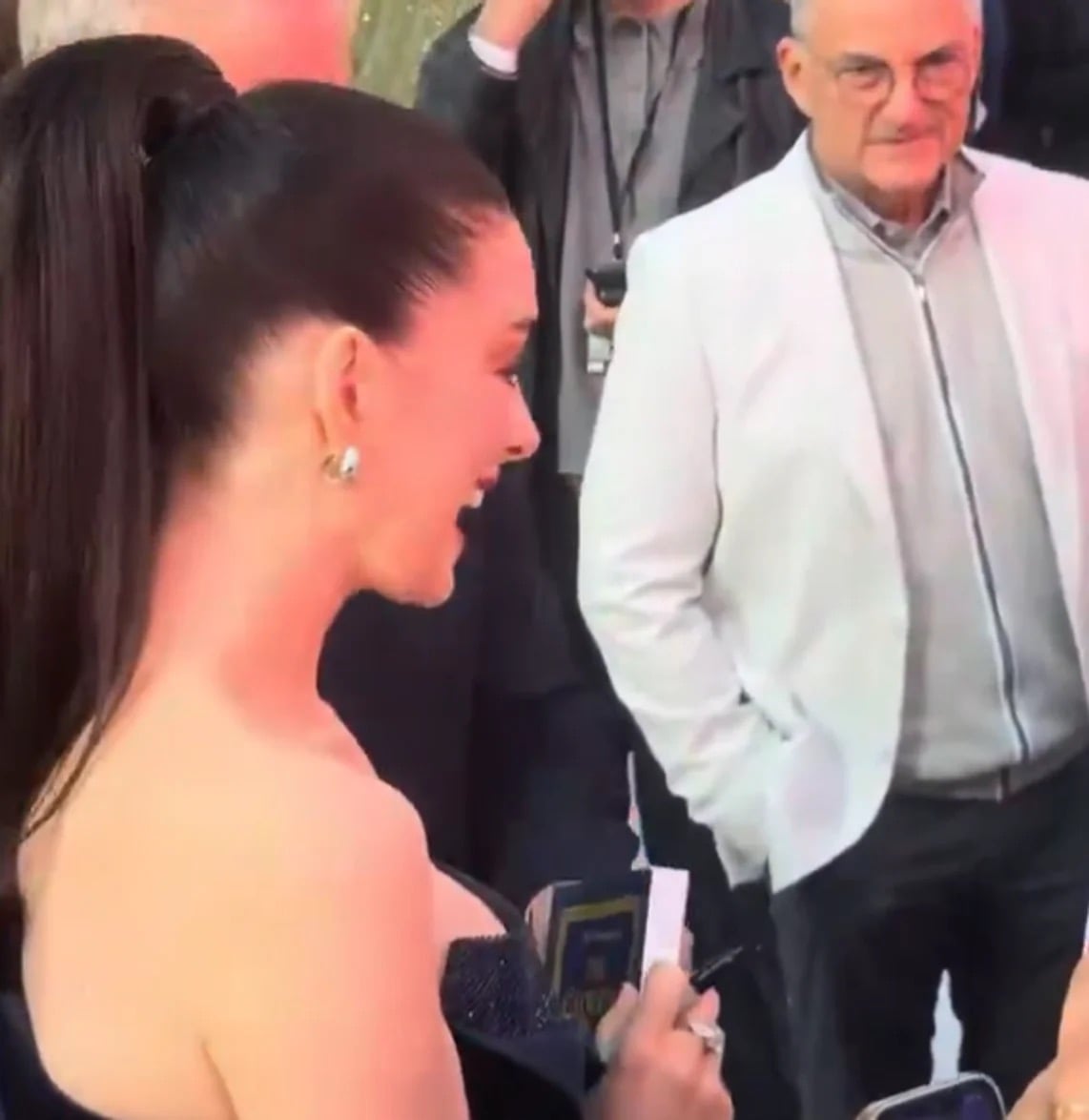
The actress was attending the London premiere of The Devil Wears Prada 2 when footage captured what appeared to be a member of the public presenting her with the Islamic holy book. The clip circulated rapidly across X, TikTok and Instagram, with viewers drawing an immediate connection to remarks Hathaway had made in a recent People Magazine interview.
Speaking about her aspirations for the future, the Oscar winner had said: “I want to have a long, healthy life, Inshallah. I hope so.” The Arabic expression, meaning “God willing,” is used widely in everyday speech across the Arab world and beyond, regardless of religious background. Even so, the comment sparked considerable debate online, with some praising her for the sentiment and others questioning whether she fully appreciated its religious and cultural significance.
When the premiere footage emerged shortly after, reactions ranged from bemused to hostile. “She said one word in an interview and someone showed up with a whole Quran at the premiere. People move fast,” one user wrote on X. A more critical voice added: “She has no idea how many women have been subjugated throughout the world in the name of Islam and the Quran.” One commenter observed pointedly: “Would have to be London where someone gifts a Quran.” Others were more measured — “That’s a wholesome moment,” wrote one, while another called it a wonderful gift, though questioned whether Hathaway was the right recipient.
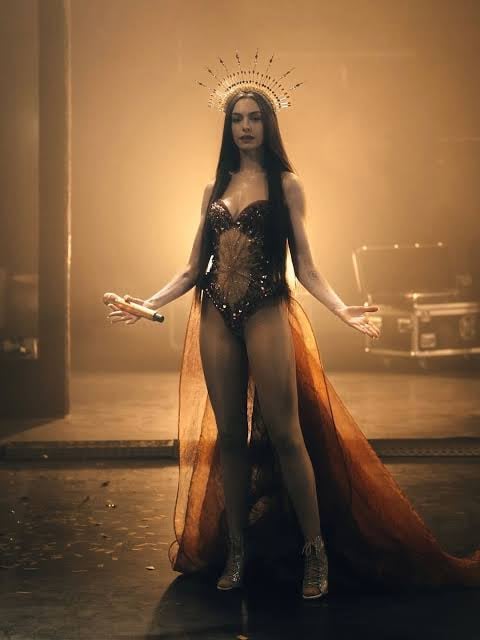
The online furore over the Quran moment coincides with a separate and unrelated religious controversy surrounding Hathaway’s new film. Mother Mary, a psychological thriller from A24 directed by David Lowery and released in limited cinemas in mid-April 2026, has drawn fierce criticism from Catholic and Christian audiences who accuse it of mocking the Virgin Mary. Hathaway plays a fictional pop star who goes by the stage name “Mother Mary,” and promotional material featuring Marian imagery — including a crown of rays traditionally associated with depictions of the Virgin — paired with a revealing, performative pop-star aesthetic has been branded sacrilegious by religious groups on social media.
The studio has maintained the film is a work of fiction about a pop star in personal crisis with no intended religious commentary. That position has not satisfied critics, who have accused Hollywood of double standards when it comes to depicting different faiths. The backlash has manifested in organised review-bombing on IMDb, where the film’s score dropped to between 3.6 and 4.2 out of 10, with scores of one-star reviews citing offence to Christianity — many submitted before a wide release had even taken place.
Adding a legal dimension to the row, an electropop duo from Montana called MOTHERMARY — former Mormon artists — publicly questioned the similarities between their name and the film’s branding and were reported to be exploring legal options.
Hathaway, who was raised Roman Catholic before her family converted to the Episcopal Church, has previously described her personal beliefs as a “work in progress.” Her family is understood to have distanced itself from the Catholic Church after her brother came out as gay.
